Natural Flea Treatment for Dogs A Safe Guide to Pest-Free Pets
There is nothing quite like the panic a pet owner feels when they see their dog scratching relentlessly. You check behind their ears, part the fur on their back, and see it—a tiny, jumping speck. Fleas. These pests are not just annoying; they can cause serious discomfort and health issues for our canine companions. While chemical treatments are widely available, many of us are looking for safer alternatives.
Finding an effective natural flea treatment for dogs can feel overwhelming with so many myths and “miracle cures” floating around the internet. You want to protect your dog, but you also want to avoid harsh chemicals that might irritate their skin or upset their stomach.
In this guide, we will walk you through everything you need to know about fighting fleas naturally. We’ll cover how to break the flea life cycle, which homemade mixtures actually work, and how to choose store-bought natural products that are safe and effective. By the end, you’ll feel confident in tackling flea season without compromising on safety.
Why Choose Natural Flea Treatments?
For many dog owners, the shift toward flea treatment without chemicals isn’t just a trend—it’s a necessity. Some dogs have sensitive skin that reacts poorly to traditional spot-on treatments or flea collars. Others may have underlying health conditions that make chemical exposure risky.
The Benefits of Going Natural
- Reduced Toxicity: Natural remedies often use essential oils, herbs, and physical barriers rather than neurotoxins found in some conventional pesticides.
- Safe for the Whole Family: If you have young children who hug and play with the dog, you might prefer products that don’t leave chemical residues on your pet’s fur.
- Environmental Impact: Natural treatments are generally biodegradable and less harmful to the wider ecosystem.
However, it is important to be transparent. Natural treatments often require more consistency and effort than a “one-and-done” chemical pill. While a chemical tablet might kill fleas for 30 days, natural sprays and checks might need to be done daily or weekly.
Understanding the Flea Life Cycle
To effectively use any natural flea treatment for dogs, you first need to understand the enemy. Fleas are resilient pests, and killing the adults on your dog is only 5% of the battle. The other 95% of the infestation exists in your home as eggs, larvae, and pupae.
The Four Stages
- Eggs: Laid on the host (your dog) but fall off into carpets, bedding, and grass.
- Larvae: Hatch from eggs and feed on organic debris (like flea dirt). They dislike light and burrow deep into fibers.
- Pupae: The cocoon stage. This is the hardest stage to kill because the cocoon protects the developing flea. They can remain dormant for months waiting for a host.
- Adults: The biting stage we see on our pets.
If you only focus on the adult fleas on your dog, the infestation will return in a few weeks. A successful natural strategy must address all four stages.
Top Homemade Flea Remedies for Dogs
If you are the DIY type, there are several homemade flea remedies for dogs that you can whip up using ingredients you likely already have in your pantry. These are great for maintenance and mild prevention.
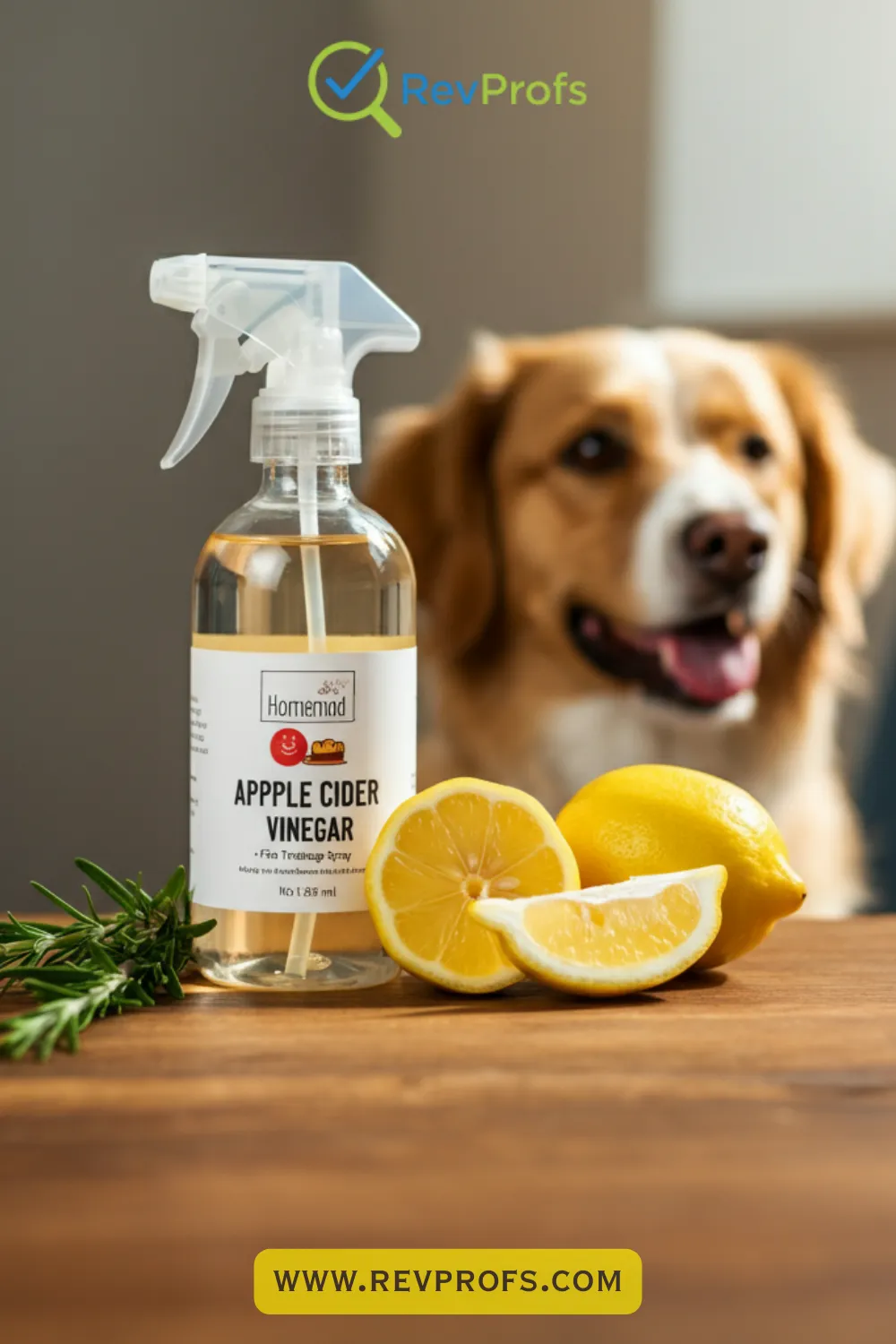
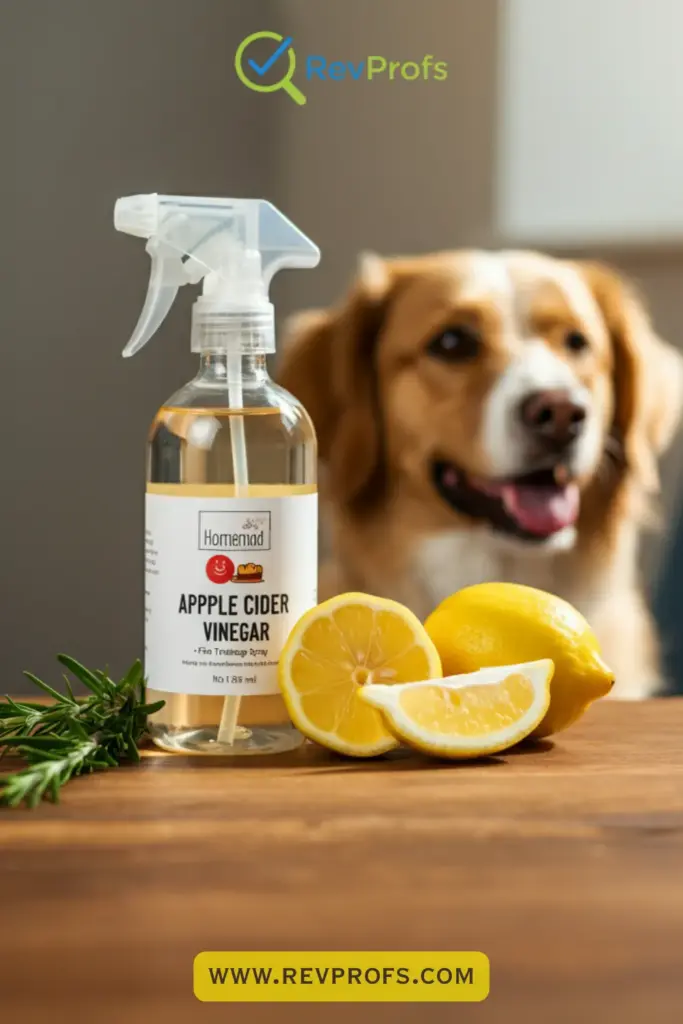
1. The Apple Cider Vinegar Spray
Apple Cider Vinegar (ACV) is a staple in the natural pet care world. While it doesn’t kill fleas on contact, it alters the pH of your dog’s skin, making it an unappealing environment for pests.
- Recipe: Mix equal parts ACV and water in a spray bottle.
- How to use: Spritz your dog’s coat before going out for a walk. Be careful to avoid their eyes and any open sores, as the vinegar will sting.
2. Lemon Wash
Ideally, you want to repel fleas with scents they hate. Citrus contains d-limonene, a natural flea repellant.
- Recipe: Slice a fresh lemon thinly and add it to a pint of boiling water. Let it steep overnight. Strain the liquid the next morning.
- How to use: Pour the cooled liquid into a spray bottle and mist your dog gently, focusing on the tail base and behind the ears.
3. Rosemary Wash
Rosemary is another herb that acts as a natural deterrent.
- Recipe: Steep fresh rosemary leaves in boiling water (similar to making a strong tea). Let it cool.
- How to use: Use this as a final rinse after giving your dog a bath. It leaves their coat smelling fresh and helps keep bugs at bay.
Note: While essential oils can be effective, always research which ones are toxic to dogs. Tea tree oil, for example, can be dangerous in high concentrations. Always dilute essential oils heavily and consult your vet before application.
Best Natural Flea Sprays and Commercial Options
Sometimes, the infestation is too heavy for vinegar alone, or you simply don’t have the time to brew lemon water. This is where the best natural flea sprays come in. These products are formulated by experts to be effective while remaining chemical-free.
When shopping for these products, look for transparency in labeling. You want to know exactly what active ingredients are being used.
Essential Oil Blends
Many commercial natural sprays use a potent blend of cedarwood, peppermint, and clove oil. Cedarwood oil is particularly effective; it can kill fleas by leaching moisture from their bodies and disrupting their pheromones.
- Pros: easy to apply, pleasant smell, often kills ticks and mosquitoes too.
- Cons: Must be reapplied frequently (often every time the dog goes outside).
Diatomaceous Earth (Food Grade)
This is a powder, not a spray, but it is a powerhouse. Diatomaceous Earth (DE) is made from fossilized aquatic remains. Under a microscope, it looks like shards of glass. It works mechanically, not chemically, by piercing the flea’s exoskeleton, causing them to dehydrate and die.
- Pros: Highly effective, non-toxic if ingested (must be food grade).
- Cons: messy to apply; inhaling the dust can irritate lungs (both yours and your dog’s).
Key Buying Tip: Always ensure the product says “Food Grade” if buying Diatomaceous Earth. Industrial grade is used for pool filters and is toxic to breathe and ingest.
If you are looking for specific product recommendations, check out our guide on Essential Grooming Tools (internal link placeholder) to see what brushes pair best with natural powders.
How to Treat Your Home Naturally
Remember the life cycle we discussed? Treating your home is non-negotiable. Using a natural flea treatment for dogs on their body won’t help if they lay back down on a carpet full of flea larvae.

1. Vacuuming is Your Best Friend
Vacuuming is the single most effective natural method for removing flea eggs and larvae from your home.
- Frequency: You need to vacuum every day during an active infestation.
- Technique: Go over areas where your dog sleeps multiple times. Don’t forget under furniture and along baseboards.
- Crucial Step: Immediately empty the vacuum canister or throw away the bag in an outside trash bin. If you leave it inside, the fleas can hatch and crawl back out.
2. Washing Bedding
Strip all your dog’s bedding, as well as your own if the dog sleeps with you. Wash everything on the hottest cycle the fabric can handle. The heat from the dryer is excellent for killing all stages of the flea life cycle.
3. Using Diatomaceous Earth on Carpets
Sprinkle food-grade DE on your carpets and let it sit for 24-48 hours before vacuuming. This dehydrates any larvae hiding deep in the fibers. Be sure to keep pets and kids away from the area while the powder is settling to avoid inhalation.
4. Nematodes for the Yard
If your dog picks up fleas from your backyard, consider beneficial nematodes. These are microscopic worms that you spray onto your lawn. They feed on flea larvae in the soil but are harmless to plants, pets, and humans. It’s a brilliant way to reduce the population at the source.
Preventative Measures: Stopping Fleas Before They Start
The best natural flea treatment for dogs is prevention. Stopping them before they jump on your dog is far easier than removing an infestation.
Daily Checks
Make it a habit to check your dog for fleas after walks, especially if you have been in tall grass or woods. Use a fine-toothed flea comb.
- How to check: Run the comb through the fur near the tail and neck. Wipe the comb on a white paper towel. If you see red streaks, that is flea dirt (dried blood), indicating live fleas are present.
Healthy Diet
A healthy dog is a less attractive host. Parasites tend to target weak or unhealthy animals. Feeding your dog a high-quality, balanced diet strengthens their immune system. Some owners add small amounts of brewer’s yeast or garlic to their dog’s food (consult your vet on dosage, as large amounts of garlic can be toxic) to make their blood taste unappealing to fleas.
Grooming
Regular baths keep the coat clean and allow you to spot issues early. Using a gentle, natural shampoo can wash away any hitchhikers before they have time to lay eggs.
For more on maintaining a healthy coat, read our article on Summer Dog Care Tips (internal link placeholder).
When to See a Vet
While we advocate for natural care, we also value safety and responsible ownership. There are times when flea treatment without chemicals may not be enough, or when professional help is required.
Signs of Flea Allergy Dermatitis (FAD)
Some dogs are severely allergic to flea saliva. A single bite can cause intense itching, hair loss, and red, inflamed skin (hot spots). If your dog is scratching themselves raw or seems to be in distress, natural remedies might not work fast enough to provide relief.
Anemia
In very small dogs or puppies, a severe flea infestation can cause blood loss leading to anemia. Signs include pale gums and lethargy. This is a medical emergency.
Massive Infestations
If you have tried natural methods for weeks and the infestation is getting worse, it is time to consult your vet. They can help you reset the situation, potentially with a one-time prescription treatment, after which you can return to natural maintenance.
For further reading on flea diseases, you can visit the American Kennel Club’s guide on fleas
Conclusion
Choosing a natural flea treatment for dogs is a commitment to your pet’s long-term health and safety. It requires a bit more diligence—more vacuuming, more combing, and regular application of natural sprays—but the peace of mind is worth it. You avoid exposing your furry family member to harsh toxins while effectively managing pests.
Remember, there is no single “magic bullet.” The most effective approach is a combination strategy: treat the dog, treat the home, and treat the yard. Whether you choose homemade flea remedies for dogs like lemon washes or opt for the best natural flea sprays on the market, consistency is key.
Start your natural journey today. Check your dog, vacuum the rugs, and mix up that apple cider vinegar spray. Your dog (and their itch-free skin) will thank you.
For more detailed information on keeping your pet healthy naturally, consider reading this comprehensive study on essential oils for pets
Ready for the Next Step?
Your pet's journey doesn't end here. Explore our expert guides to ensure they get the best care at every stage.
Puppy & Dog Care
From choosing the right food to understanding their behavior, our dog care guides cover everything you need to know.
Explore Dog GuidesGear & Product Reviews
Find honest, in-depth reviews on the latest pet gear, from smart collars to durable toys, and make informed decisions.
See All Reviews