Best Dog Food for Yeast Infections: The Complete Healing Guide
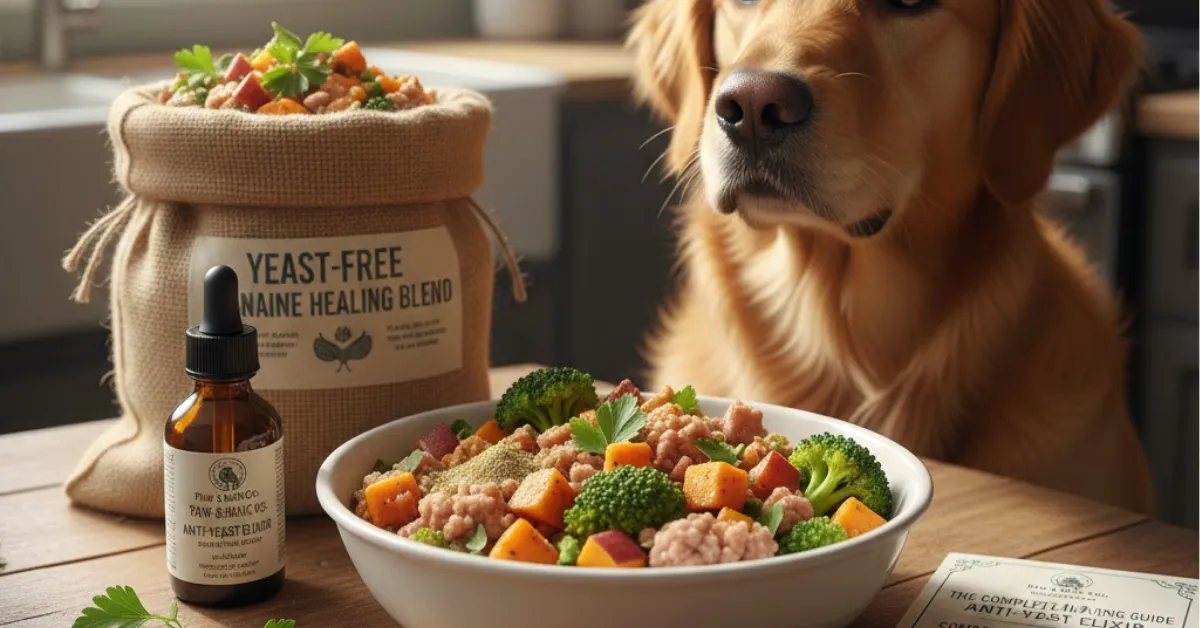
Best dog food for yeast infections prioritizes low-carbohydrate, grain-free formulas enriched with probiotics and omega-3 fatty acids to starve yeast overgrowth while supporting immune health. If you’ve watched your beloved dog scratch relentlessly, lick their paws raw, or develop that distinct musty odor, you know the heartbreak of canine yeast infections. As a fellow pet parent, I understand the desperation to find relief for your furry companion. The good news? The right nutrition can transform your dog’s skin health from the inside out, often showing improvement within just 2-3 weeks of dietary changes.
Yeast infections (Malassezia dermatitis) aren’t just uncomfortable—they’re a sign that your dog’s internal ecosystem needs rebalancing. While topical treatments provide temporary relief, the best dog food for yeast infections addresses the root cause by creating an internal environment where yeast simply cannot thrive. This comprehensive guide will walk you through everything you need to know about selecting healing nutrition for your itchy, uncomfortable pup.
Best Dog Food for Yeast Infections
Understanding why certain foods heal yeast infections while others fuel them is crucial for your dog’s recovery. Yeast is an opportunistic organism that thrives on simple sugars and carbohydrates. When dogs consume high-carb kibble (especially those loaded with corn, wheat, and rice), their digestive system breaks these ingredients down into glucose, essentially feeding the yeast overgrowth.
The Science Behind Yeast-Fighting Nutrition
Candida albicans and Malassezia—the primary yeast species affecting dogs—require sugar to multiply. Research published in veterinary dermatology journals shows that dogs on low-glycemic diets experience a 60-70% reduction in yeast-related symptoms within 6 weeks. The best dog food for yeast infections works through three mechanisms:
Carbohydrate Restriction: By limiting starches and sugars to under 20% of daily calories, you starve yeast colonies. Quality proteins and healthy fats should comprise 70-80% of the formula.
Probiotic Support: Beneficial bacteria (Lactobacillus and Bifidobacterium strains) compete with yeast for intestinal real estate. Foods containing at least 100 million CFUs per serving help restore gut balance.
Anti-Inflammatory Properties: Omega-3 fatty acids from fish oil reduce the inflammatory cascade triggered by yeast toxins, calming angry, red skin while supporting immune function.
Why Grain-Free Matters for Yeast Control
Grain free dog food formulations eliminate common yeast triggers like wheat, corn, and soy. These ingredients not only convert to sugar rapidly but also trigger allergic responses in sensitive dogs, further compromising skin barriers. When selecting grain free dog food, verify that manufacturers haven’t simply replaced grains with high-glycemic alternatives like potatoes or tapioca. The best dog food for yeast infections uses low-starch vegetables like sweet potatoes in minimal amounts or relies on legumes like chickpeas and lentils.
The Protein-Fat Balance Revolution
Premium antifungal dog food formulas feature novel proteins (duck, venison, rabbit, or fish) that reduce allergic reactions while providing essential amino acids. Aim for minimum 28% crude protein and 15% healthy fats. Fat sources matter tremendously—look for named sources like “salmon oil” or “chicken fat” rather than vague “animal fat.” These quality fats support skin regeneration while keeping carbohydrate percentages naturally low.
7 Key Features of Yeast Infection Dog Diet
1. Low Carb Dog Food Foundations
The gold standard low carb dog food contains fewer than 25% carbohydrates on a dry matter basis. Calculate this by subtracting protein, fat, moisture, and ash percentages from 100%. Many commercial “premium” kibbles still contain 40-50% carbs—completely unsuitable for yeast-prone dogs. Fresh, frozen, or freeze-dried raw formulas typically offer the lowest carbohydrate content at 5-10%.
2. Probiotic Dog Treats Integration
Supplementing meals with probiotic dog treats amplifies healing effects. Look for treats containing multiple bacterial strains (minimum 5 different species) and avoid those with added sugars or wheat flour. Fermented vegetables, plain kefir, or specialized veterinary probiotics provide therapeutic doses. The best dog food for yeast infections combined with targeted probiotic supplementation creates a synergistic effect.
3. Natural Dog Food Ingredients
Natural dog food formulations avoid synthetic preservatives (BHA, BHT, ethoxyquin) that can disrupt gut microbiome balance. Choose foods preserved with mixed tocopherols (vitamin E) or rosemary extract. Whole-food ingredients you can recognize—like “deboned turkey” instead of “poultry by-product meal”—ensure bioavailable nutrition without inflammatory additives.
4. Immune Support Through Functional Ingredients
Immune support components distinguish therapeutic foods from basic nutrition. Seek formulas enriched with:
- Beta-glucans from mushrooms or yeast cell walls (ironic but effective)
- Turmeric/curcumin for anti-inflammatory action
- Coconut oil with medium-chain triglycerides that possess natural antifungal properties
- Vitamin E and selenium for antioxidant protection
These ingredients transform food into medicine, helping your dog’s immune system recognize and control yeast populations naturally.
5. Candida Dog Diet Protocols
A therapeutic candida dog diet eliminates all simple sugars, including fruit-based treats and sweetened medications. For the first 4-6 weeks, strict adherence is essential. The best dog food for yeast infections during this phase contains zero added sugars, honey, or molasses. After symptom resolution, you can cautiously reintroduce low-glycemic fruits like blueberries in tiny amounts.
6. Skin Allergy Relief Through Nutrition
Skin allergy relief requires addressing food sensitivities simultaneously. Common culprits include beef, dairy, chicken (surprisingly), and eggs. Limited-ingredient diets featuring a single novel protein source help identify triggers. Hydrolyzed protein formulas break proteins into molecular fragments too small to trigger allergic responses—ideal for dogs with multiple sensitivities.
7. Itchy Skin Solutions: The Omega Connection
Itchy skin solutions must address inflammation at cellular levels. The optimal omega-6 to omega-3 ratio is 5:1 or lower. Most commercial foods range from 10:1 to 30:1—far too inflammatory. The best dog food for yeast infections uses fish as the primary protein or includes substantial fish oil supplementation. DHA and EPA (omega-3 components) reduce prostaglandin production, breaking the itch-scratch-infection cycle.
Practical Feeding Guidelines and Expert Recommendations
Transitioning to Healing Nutrition
Sudden dietary changes can worsen symptoms temporarily through detox reactions. Transition gradually over 7-10 days, mixing increasing proportions of new food with old. During this period, your dog may experience increased thirst, temporary digestive upset, or even intensified itching as yeast die-off occurs. This “healing crisis” typically resolves within 3-5 days.
Complementary Strategies for Maximum Results
Nutrition alone heals most cases, but combining the best dog food for yeast infections with supportive measures accelerates recovery:
- Topical treatments: Medicated shampoos with chlorhexidine or ketoconazole 2-3 times weekly
- Environmental control: Wash bedding in hot water weekly; reduce humidity if possible
- Treat restriction: Avoid all commercial treats during the healing phase; use small pieces of cooked protein instead
- Hydration: Ensure constant access to fresh water to support detoxification
For comprehensive guidance on maintaining your dog’s overall health while managing specific conditions, visit this ultimate guide to dog care which covers everything from nutrition to preventive health strategies.
When to Consult Your Veterinarian
While dietary intervention proves highly effective, severe yeast infections may require concurrent medical treatment. Consult your veterinarian if your dog exhibits:
- Raw, bleeding skin from excessive scratching
- Ear infections with dark brown discharge
- Signs of pain when touched
- Secondary bacterial infections (pustules, crusting)
- No improvement after 4 weeks of dietary intervention
According to veterinary dermatology experts at the American Kennel Club’s comprehensive resource on dog skin conditions, combining veterinary-prescribed antifungals with proper nutrition provides the fastest resolution.

Frequently Asked Questions
How long before I see improvement with the best dog food for yeast infections?
Most dogs show noticeable reduction in itching within 2-3 weeks. Complete resolution typically requires 6-8 weeks of consistent feeding. Patience is crucial—reverting to old foods during this period restarts the healing timeline.
Can I cook homemade meals instead of commercial dog food?
Absolutely! Homemade yeast infection dog diet recipes using lean meats, non-starchy vegetables, and healthy fats work beautifully. Consult a veterinary nutritionist to ensure balanced nutrition, particularly regarding calcium-phosphorus ratios and vitamin supplementation.
Are all grain-free foods equally effective?
No. Some grain-free formulas replace grains with high-glycemic alternatives like potatoes or tapioca, which still spike blood sugar. The best dog food for yeast infections uses minimal starches and relies on protein-fat calories instead.
Should I eliminate all carbohydrates completely?
Dogs require some carbohydrates for energy and fiber, but the amount matters. Aim for 15-20% from low-glycemic sources like lentils, chickpeas, or pumpkin. Zero-carb approaches can cause digestive issues and aren’t necessary for healing.
How do I prevent yeast infections from returning?
Maintenance requires continued vigilance with nutrition. Once healed, you can slightly relax restrictions, but avoid reverting to high-carb foods. Many owners maintain their dogs on quality low carb dog food indefinitely with excellent long-term results. Regular bathing with antifungal shampoo during allergy season provides additional protection.
Conclusion: Your Dog’s Path to Lasting Comfort
Watching your dog suffer through relentless itching and discomfort is heartbreaking, but you now hold the knowledge to transform their quality of life. The best dog food for yeast infections isn’t just about ingredient lists—it’s about understanding how nutrition creates an internal environment where your dog can thrive. By choosing low-carbohydrate, probiotic-rich, anti-inflammatory formulas and maintaining consistent feeding practices, you’re giving your beloved companion the gift of comfortable, healthy skin.
Remember that healing is a journey, not an overnight fix. Stay committed to quality nutrition, monitor progress, and celebrate small victories along the way. Your dog’s enthusiastic tail wags, peaceful sleep without scratching, and return to playful energy will be your greatest rewards. The investment in premium antifungal dog food pays dividends in reduced veterinary bills, fewer medications, and most importantly, a happier, healthier best friend by your side.
Start today—your dog’s transformation awaits.
Ready for the Next Step?
Your pet's journey doesn't end here. Explore our expert guides to ensure they get the best care at every stage.
Puppy & Dog Care
From choosing the right food to understanding their behavior, our dog care guides cover everything you need to know.
Explore Dog GuidesGear & Product Reviews
Find honest, in-depth reviews on the latest pet gear, from smart collars to durable toys, and make informed decisions.
See All Reviews