A Pet Owner’s Guide to the Best Cat Litter Boxes
For cat owners, the litter box is a household necessity, but finding the right one can feel like a surprisingly complex task. It’s not just a plastic container; it’s a crucial part of your cat’s health, your home’s cleanliness, and your daily routine. The market is filled with options ranging from simple pans to high-tech robotic units, making it difficult to know where to begin.
This guide is here to help you navigate the choices and find the best cat litter boxes for your specific needs. We will break down the essential features to look for, explore the different types available, and offer clear, practical advice. Our goal is to provide you with the information you need to make a confident decision that keeps both you and your feline family member happy.
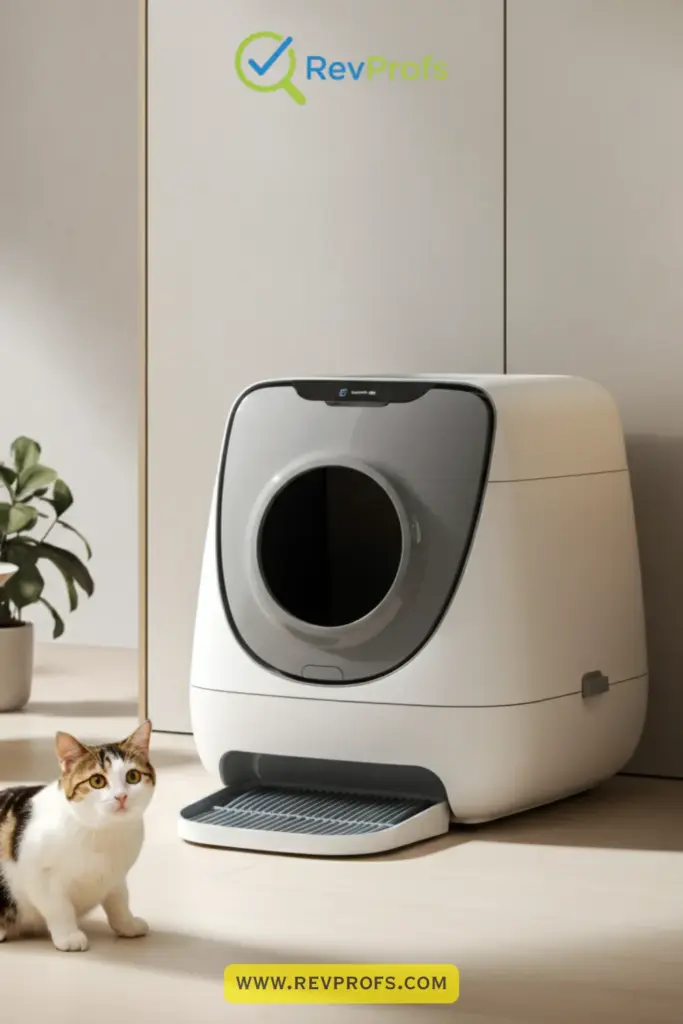
We’ll cover everything from traditional open-top pans to advanced self-cleaning cat litter boxes, with a special focus on features that truly matter, like effective odor control. By the end of this article, you will have a clear understanding of what makes a litter box great and which one is the ideal fit for your home.
Why the Right Litter Box Matters for You and Your Cat
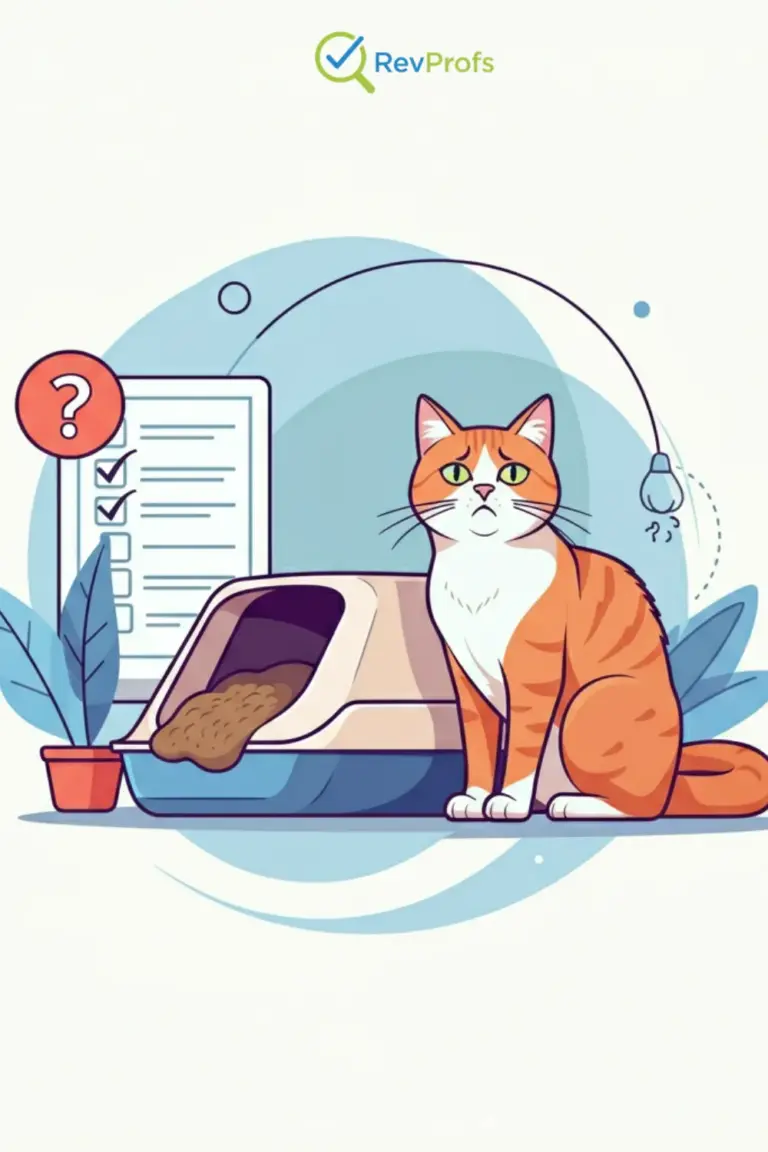
A litter box is more than just a bathroom for your cat—it’s an indicator of their well-being. Cats are naturally clean animals, and an unsuitable or dirty litter box can lead to significant stress and behavioral issues. A cat that avoids its box might start eliminating elsewhere in the house, a clear sign that something is wrong. This behavior is often their only way of communicating discomfort.
For you, the pet owner, the right litter box can dramatically improve your quality of life. A well-designed box reduces unpleasant smells, minimizes tracking, and makes the daily chore of scooping more manageable. Investing in one of the best cat litter boxes is an investment in a cleaner, more harmonious home environment. It simplifies your responsibilities while ensuring your cat feels safe and comfortable.
Key Factors to Consider When Choosing a Litter Box
Before you start shopping, it helps to understand the key features that differentiate one litter box from another. Thinking about these factors will guide you toward a product that meets your cat’s preferences and your lifestyle.
Size and Shape
The most critical factor is size. A litter box should be at least 1.5 times the length of your cat, from their nose to the base of their tail. This gives them enough room to turn around, dig, and cover their waste without feeling cramped. For larger breeds like Maine Coons or Ragdolls, an extra-large or jumbo-sized box is essential.
Entry Height
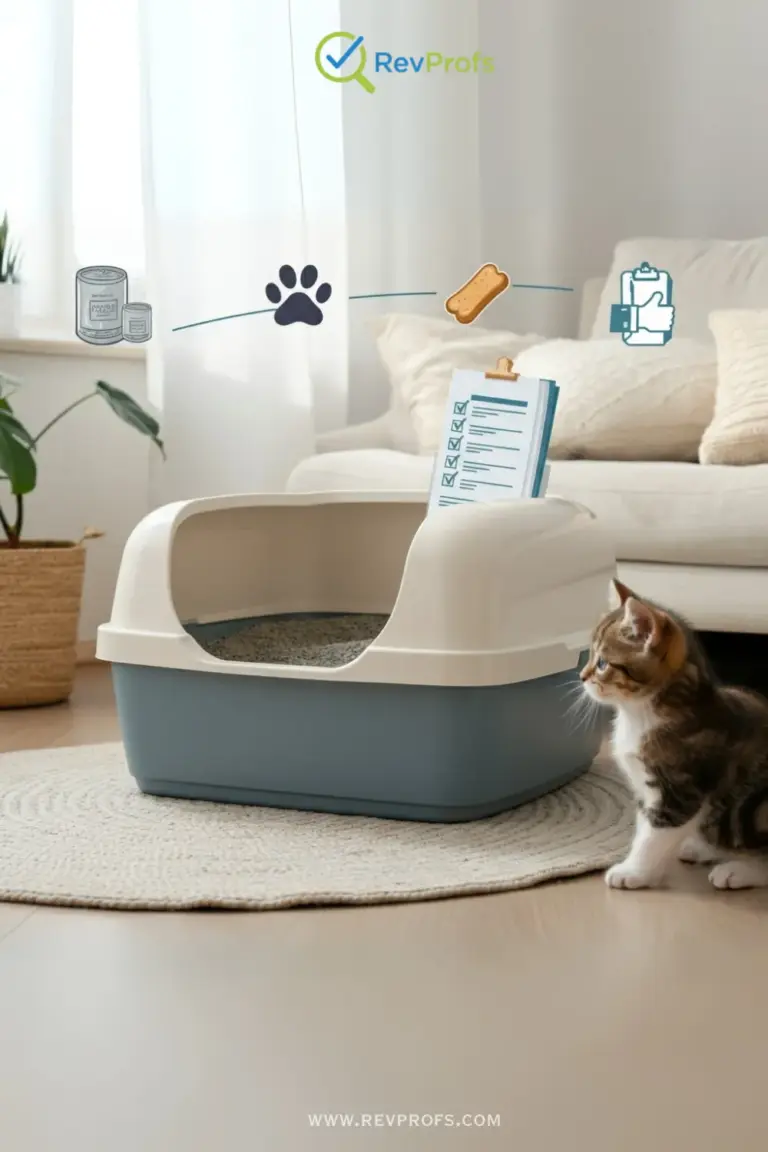
The height of the entry point is important, especially for kittens, senior cats, or those with arthritis. A low-entry box is easier for them to access, preventing strain on their joints. Conversely, a high-sided box can be great for cats who tend to kick litter out, helping to contain the mess.
Open vs. Covered
This is a major point of consideration.
- Open Boxes: Many veterinarians recommend open-top litter boxes because they provide excellent ventilation and don’t trap odors. They also allow cats to see their surroundings, which helps them feel more secure.
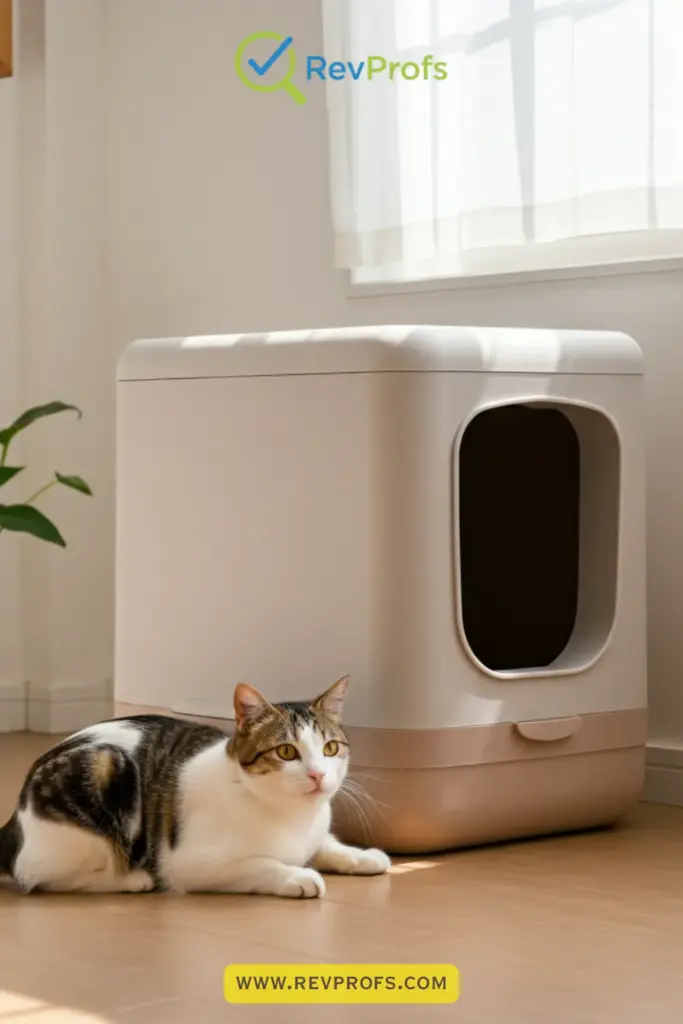
- Covered Boxes: These are popular with owners because they hide the waste from view and can help contain smells and litter scatter. However, some cats feel trapped inside them, and the enclosed space can concentrate ammonia fumes.
Material
Most litter boxes are made from plastic, but not all plastics are created equal. Look for a durable, non-porous plastic that won’t absorb odors or develop scratches over time. Scratches can trap bacteria and make the box difficult to clean thoroughly.
Image Suggestion: A split image showing a senior cat easily entering a low-sided litter box and another cat in a spacious, open-top box.
ALT Text: A comparison of the best cat litter boxes, highlighting features like entry height and size for different cat needs.
Exploring the Different Types of Cat Litter Boxes
Understanding the main categories of litter boxes will help you narrow down your options. Each type comes with its own set of advantages and disadvantages.
Standard Open Pan
This is the most basic and affordable option. It’s simply a rectangular plastic pan.
- Pros: Easy to clean, inexpensive, and preferred by many cats due to its open design.
- Cons: Offers no odor control and does little to prevent litter tracking.
High-Sided Litter Box
Similar to a standard pan, but with much taller walls.
- Pros: Excellent for containing litter scatter from cats who dig enthusiastically.
- Cons: Can be difficult for smaller or less agile cats to enter.
Covered or Hooded Litter Box
This type has a removable hood that encloses the pan, often with a swinging door.
- Pros: Hides waste from sight and helps contain odors and mess.
- Cons: May feel confining for some cats and can trap ammonia smells if not cleaned frequently.
Sifting Litter Box
These systems usually consist of three trays—two solid ones and one with a sifting screen. To clean, you lift the sifting tray, allowing clean litter to fall through while clumps remain.
- Pros: Makes scooping faster and easier.
- Cons: Can be messy if not used carefully, and the sifting holes may clog with wet litter.
The Rise of Technology: Self-Cleaning Cat Litter Boxes
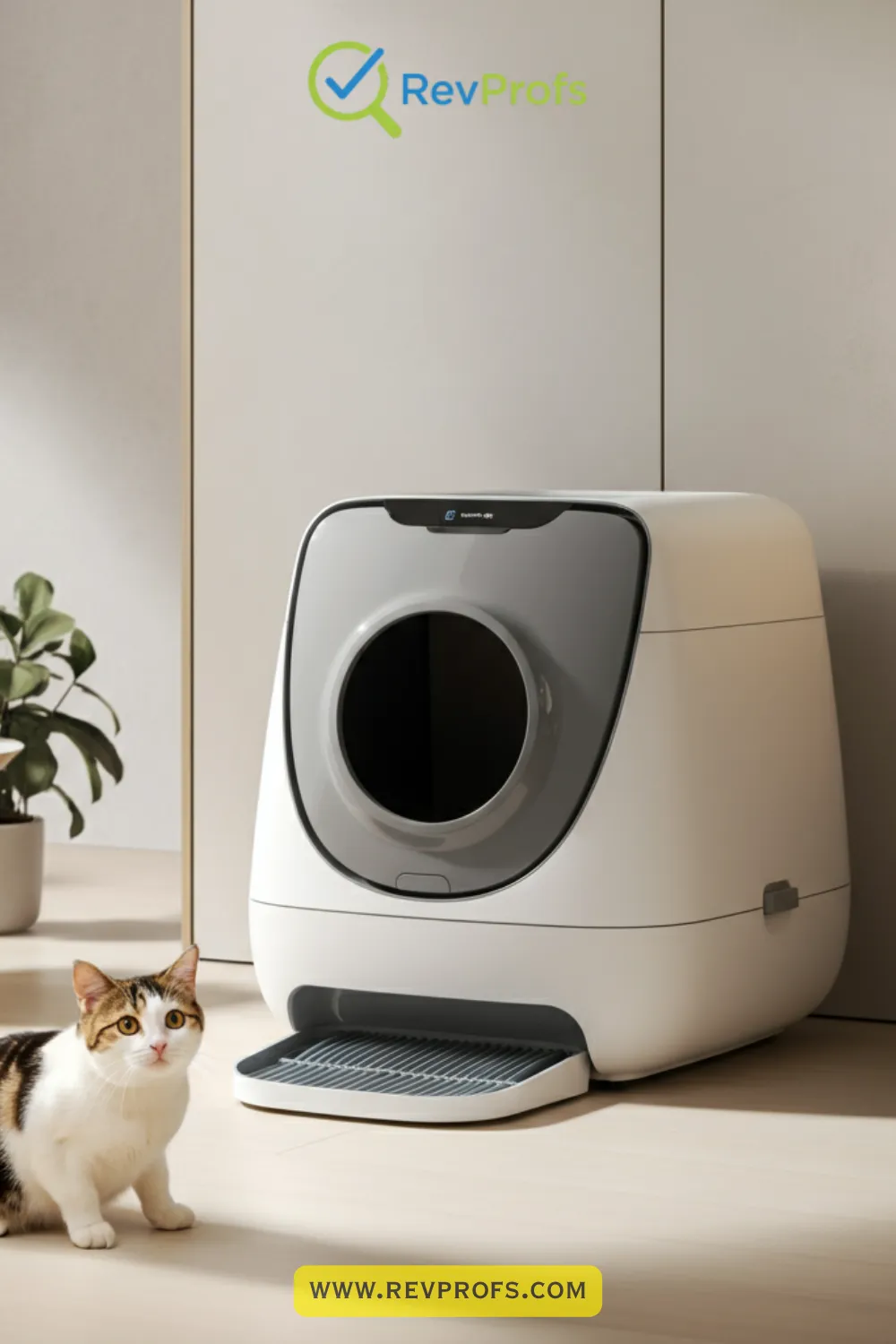
For pet owners seeking the ultimate in convenience, self-cleaning cat litter boxes are a game-changer. These automated units detect when a cat has used the box and, after a set time, rake or rotate the waste into a sealed compartment.
How They Work
Most self-cleaning boxes use sensors to know when a cat enters and exits. After a waiting period (to ensure the cat is gone and clumps have firmed up), a mechanism activates. Some use an automatic rake to sweep solids into a waste bin, while others rotate a globe to sift waste into a drawer.
Pros and Cons of Self-Cleaning Boxes
- Pros:
-
- Unbeatable Convenience: Drastically reduces the need for daily scooping.
- Superior Odor Control: Waste is quickly moved into a sealed compartment.
- Always Clean for Your Cat: The litter bed is consistently fresh, which can help prevent out-of-box issues.
- Cons:
-
- High Cost: These are a significant financial investment.
- Mechanical Complexity: Moving parts can break, requiring maintenance or replacement.
- Noise: Some models can be loud, which might startle timid cats.
- Size and Footprint: They are typically much larger and bulkier than traditional boxes.
When considering a self-cleaning model, it’s important to weigh the convenience against the cost and potential for mechanical issues.
For more tips on integrating new technology into your pet care routine, you can explore our guide on Smart Pet Gadgets.
Top Picks for the Best Odor Control Cat Litter Boxes
Unpleasant smells are one of the biggest complaints from cat owners. Fortunately, many modern litter boxes are designed specifically to tackle this problem. The best odor control cat litter boxes often combine several features to keep your home smelling fresh.
Features to Look For:
- Carbon Filters: Many hooded litter boxes include a slot for a disposable carbon or charcoal filter, which helps absorb and neutralize odors before they escape.
- Non-Porous Materials: A smooth, high-quality plastic surface prevents odors from seeping into the box itself. Stainless steel is another excellent, albeit more expensive, option that is completely non-porous.
- Enclosed Designs: While not for every cat, a covered box is one of the most effective ways to contain smells. Look for one with good ventilation to avoid concentrating ammonia inside.
Combining an odor-control box with a high-quality litter is the most effective strategy.
Pairing Your Box with the Best Clumping Cat Litter
Your choice of litter box is only half the battle. The litter you fill it with is just as important. For most owners, the best clumping cat litter is the top choice because it makes cleaning so much easier.
When liquid waste hits a clumping litter, it forms hard, solid clumps that can be easily scooped out, leaving the remaining clean litter behind. This not only simplifies scooping but also helps control odors by removing the source. Most clumping litters are made from bentonite clay, but there are also natural alternatives made from corn, wheat, or wood.
When choosing, look for a low-dust formula to protect your and your cat’s respiratory systems. A great litter should form hard, discrete clumps that don’t break apart during scooping. To learn more about different types, you can read this helpful article from the Cornell Feline Health Center.
Common Litter Box Mistakes to Avoid
Even with the best litter box, certain mistakes can lead to problems. Here are a few common pitfalls to avoid:
- Not Enough Boxes: The general rule is one litter box per cat, plus one extra. This prevents competition and gives each cat its own space.
- Wrong Location: Don’t place the litter box in a loud, high-traffic area. Cats prefer quiet, low-activity locations where they feel safe. Avoid placing it near their food and water bowls.
- Infrequent Cleaning: A self-cleaning box helps, but all boxes need regular maintenance. You should scoop a traditional box at least once a day and completely change out the litter and wash the box every 2-4 weeks.
- Using Scented Litters: While it seems logical, heavily perfumed litters can be overwhelming for a cat’s sensitive nose and may deter them from using the box.
For a deeper dive into cat behavior, our article on Understanding Your Cat’s Body Language can provide valuable insights. (internal link placeholder)
When to Replace Your Cat’s Litter Box
Plastic litter boxes are not meant to last forever. Over time, your cat’s claws will create tiny scratches in the plastic. These scratches trap bacteria and odor-causing residue that even thorough washing can’t remove. As a general rule, you should replace a plastic litter box once a year. If you notice a persistent odor even after cleaning, it’s a clear sign that it’s time for a new one. This simple step is crucial for maintaining a hygienic environment.
Conclusion: Making a Confident Choice for Your Home
Choosing from the best cat litter boxes comes down to balancing your cat’s comfort with your own needs for cleanliness and convenience. For most cats, a large, open-top box is a safe and effective choice. If you struggle with litter scatter, a high-sided model is an excellent upgrade. For those who prioritize convenience and odor control above all else, a self-cleaning cat litter box can be a life-changing investment.
Remember to consider size, entry height, and your cat’s personality. By pairing your chosen box with the best clumping cat litter and practicing good cleaning habits, you can create a solution that works seamlessly for your household. The right litter box setup promotes your cat’s health, eliminates common behavioral problems, and makes life as a cat owner much more pleasant. You can find many of these top-rated products at online retailers like Chewy.
Ready for the Next Step?
Your pet's journey doesn't end here. Explore our expert guides to ensure they get the best care at every stage.
Puppy & Dog Care
From choosing the right food to understanding their behavior, our dog care guides cover everything you need to know.
Explore Dog GuidesGear & Product Reviews
Find honest, in-depth reviews on the latest pet gear, from smart collars to durable toys, and make informed decisions.
See All Reviews