Cat Grooming Tips: 12 Essential Steps for a Happy, Healthy Feline
Most cat owners know the sound of a rough tongue rasping against fur—cats are famous for their fastidious self-cleaning habits. However, even the cleanest kitties need a helping hand from their humans to stay in top shape. Whether you have a fluffy Persian or a sleek Siamese, learning proper cat grooming tips can make a world of difference in your pet’s health and your home’s cleanliness. Regular grooming isn’t just about vanity; it’s a crucial part of preventative healthcare that helps you bond with your pet while checking for any hidden issues.
In this comprehensive guide, we will walk you through everything you need to know to groom your cat safely and effectively at home. We’ll cover the best tools, specific techniques for different coat types, and how to turn a potentially stressful experience into a routine your cat might actually enjoy.
Why Grooming Matters for Your Cat
While cats spend hours grooming themselves, their tongues can only do so much. Self-grooming removes loose hair and dirt, but it also leads to the ingestion of hair, resulting in those dreaded hairballs.
Stepping in to help offers several key benefits:
- Reduced Shedding: Regular brushing captures loose fur before it ends up on your sofa or black pants.
- Fewer Hairballs: By removing loose hair, you reduce the amount your cat swallows.
- Skin Health: Brushing distributes natural oils, keeping the skin moisturized and the coat shiny.
- Early Detection: Regular handling allows you to spot lumps, bumps, skin irritation, or parasites like fleas and ticks before they become serious problems.
- Bonding: For many cats, gentle brushing feels like a massage, strengthening the trust between you.
Cat Grooming Tips
The secret to successful grooming is preparation and patience. Cats are creatures of habit and don’t always appreciate being handled in new ways. Here are some foundational strategies to set you up for success.
Start Young (If Possible)
If you have a kitten, introduce grooming immediately. Get them used to having their paws touched, their ears checked, and a brush run through their fur.
Choose the Right Moment
Never try to groom a cat that is energetic, hungry, or agitated. Wait until your cat is relaxed, perhaps after a meal or during a sleepy afternoon nap.
Keep It Short
Don’t aim for a full salon experience on day one. Start with 2-3 minute sessions. If your cat shows signs of stress—swishing tail, flattened ears, or growling—stop immediately and try again later.
Use Positive Reinforcement
Treats are your best friend. Offer a high-value treat before, during, and after the session. This helps create a positive association with the grooming tools.
Essential Tools You Need
Before you begin cat grooming at home, you need the right equipment. Using the wrong brush can be ineffective or even painful for your cat.
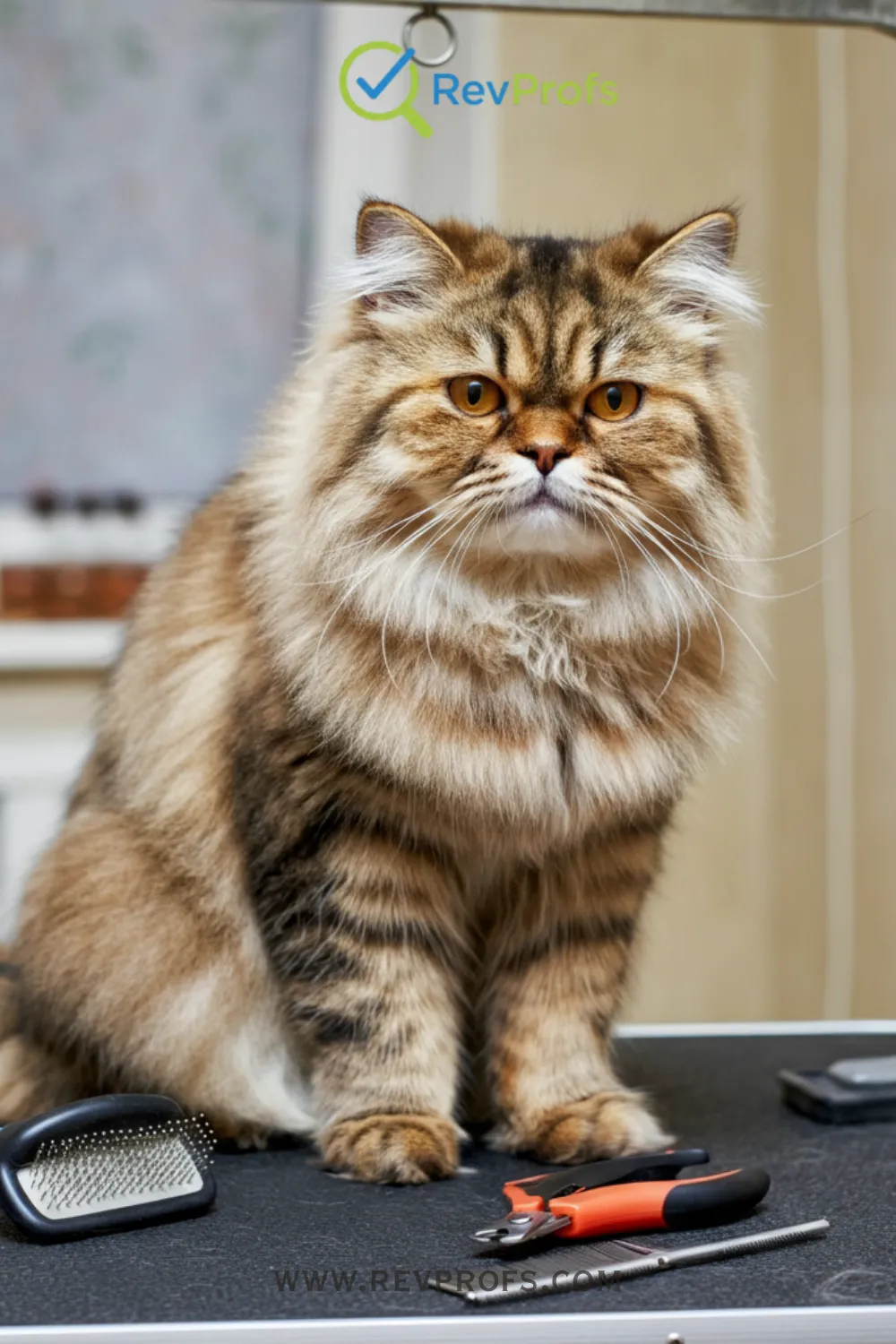
Here is a basic toolkit:
- Slicker Brush: Great for removing tangles and loose fur.
- Metal Comb (Greyhound Comb): Essential for long-haired cats to reach the undercoat.
- Rubber Curry Brush: Perfect for short-haired cats; it massages the skin while removing shedding hair.
- Nail Clippers: specifically designed for cats (scissor or guillotine style).
- Styptic Powder: To stop bleeding if you accidentally trim a nail too short.
- Ear Cleaner & Cotton Balls: For gentle ear maintenance.
How to Groom a Long-Haired Cat
Long-haired breeds like Maine Coons, Ragdolls, and Persians require a significantly higher level of maintenance than their short-haired counterparts. Their fine, dense undercoats can mat easily, which pulls on the skin and can cause pain or infection.
Learning how to groom a long-haired cat requires a specific routine:
- Daily Brushing: This isn’t optional. Long hair tangles daily.
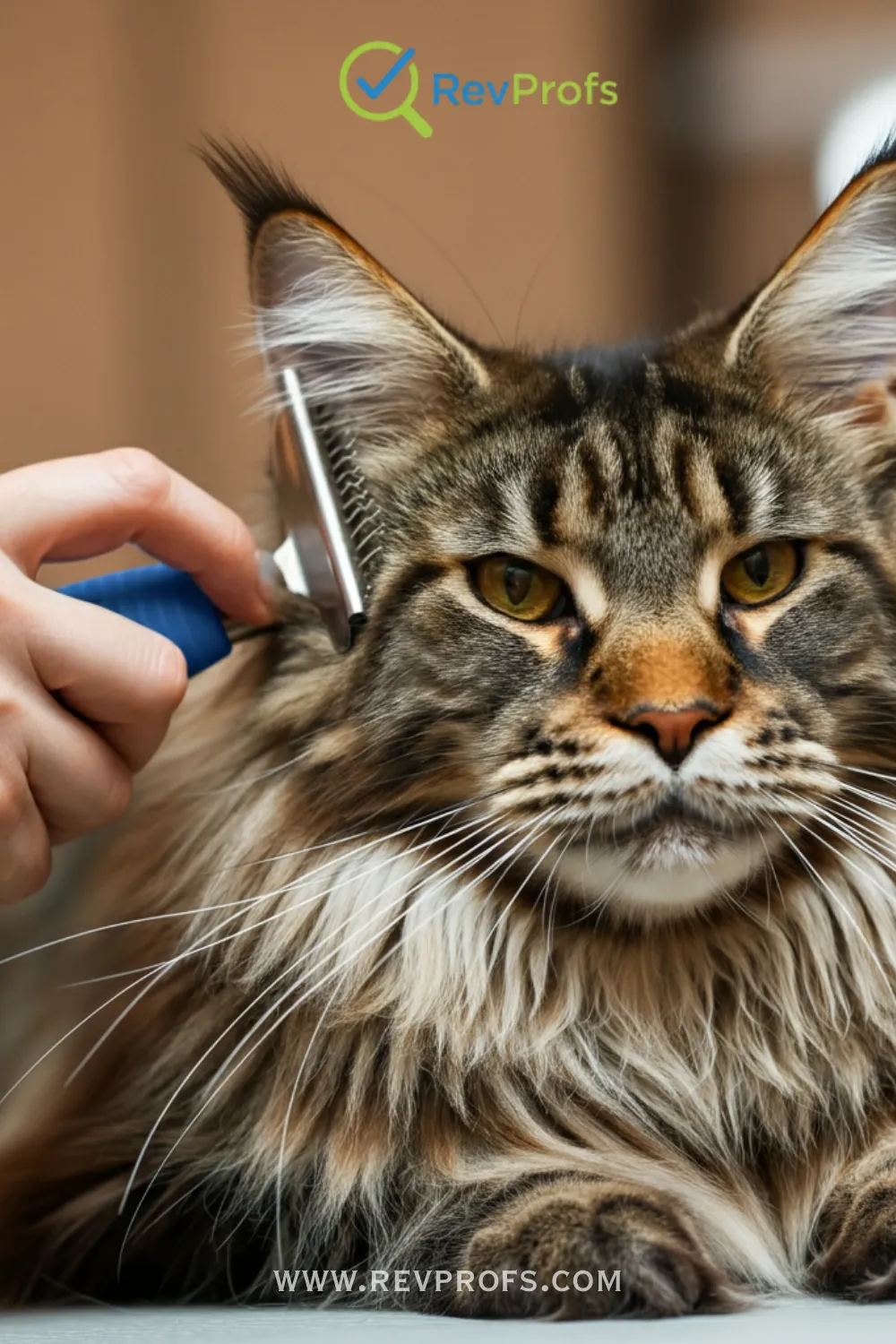
- Line Brushing: This is a pro technique. Instead of just brushing the top layer, use a comb to part the hair until you see the skin. Brush out that section, then move up an inch and repeat. This ensures you are removing the loose undercoat, which is where mats form.
- Focus on Friction Areas: Pay extra attention to behind the ears, under the armpits, and the “britches” (the back of the rear legs). These areas experience high friction and mat quickly.
- Check the Rear: Long hair can trap waste. You may need to perform a “sanitary trim” around the anus to keep things hygienic.
Mastering the Art of Brushing
Brushing is the cornerstone of cat grooming. The technique depends largely on coat type, but the goal is always the same: remove dead hair and distribute oils without hurting the skin.
For Short-Haired Cats:
Use a rubber curry brush or a grooming glove. These tools mimic the feeling of being petted. Brush from head to tail, following the direction of hair growth. You can be reasonably firm, but be gentle over bony areas like the spine and hips.
For Medium to Long-Haired Cats:
Start with a slicker brush to fluff the coat and catch surface debris. Then, follow up with a metal comb. If the comb gets stuck, do not pull! Use your fingers to gently tease apart the tangle or use the slicker brush to work it out slowly. Always brush in the direction of hair growth to avoid discomfort.
Nail Trimming Made Simple
For many owners, this is the most intimidating part of grooming. However, overgrown nails can curve back into the paw pad, causing pain and infection. They also wreak havoc on your furniture.
Step-by-Step Nail Trimming:
- Get Comfortable: Hold your cat on your lap facing away from you.
- Isolate the Nail: Gently press the top and bottom of a toe pad to extend the claw.
- Identify the Quick: Look for the pink area inside the nail. This is the “quick,” which contains nerves and blood vessels.
- The Cut: Trim only the sharp, white tip of the nail. Stay well clear of the pink quick. If you aren’t sure, trim less. You can always take more off later.
- One at a Time: You don’t have to do all four paws at once. If your cat gets fussy after two toes, stop and give them a treat. Come back to it tomorrow.
Bathing: Is It Necessary?
Generally speaking, most healthy indoor cats do not need regular baths. They do an excellent job of keeping themselves clean. However, there are exceptions:
- Hairless Breeds: Sphynx cats need weekly baths to remove oil buildup.
- Obesity or Arthritis: Older or overweight cats may not be able to reach certain areas.
- Messy Accidents: Sometimes a cat gets into something sticky or smelly that they shouldn’t ingest.
If you must bathe your cat, use a shampoo specifically formulated for felines. Human shampoo usually has a pH balance that can dry out or irritate cat skin. Place a non-slip mat in the sink or tub so they feel secure, and use lukewarm water. A handheld sprayer is much less terrifying to a cat than a running faucet.
Ears, Eyes, and Teeth Care
Grooming extends beyond the coat. A quick check of the face can prevent expensive vet bills down the road.
- Ears: Check ears weekly. They should be pink and clean. If you see coffee-ground-like debris, it could be ear mites. To clean, apply a vet-approved cleaner to a cotton ball (never a Q-tip) and gently wipe the visible inner ear.
- Eyes: Some cats, especially flat-faced breeds, get tear staining. Wipe the corners of the eyes gently with a damp, warm cloth daily.
- Teeth: Dental disease is rampant in cats. Ideally, you should brush your cat’s teeth daily with feline toothpaste (never human toothpaste, which is toxic). If your cat won’t tolerate a brush, look into enzymatic dental gels or dental treats.
Handling Mats and Tangles
Despite your best efforts, mats happen. If you find a mat, do not try to cut it out with scissors. It is incredibly easy to accidentally slice the cat’s skin, which is often pulled up into the tight knot of hair.
Instead, try these steps:
- Sprinkle Cornstarch: Rub a little cornstarch into the mat to help loosen the hairs.
- Pick Apart Gently: Use the tip of your metal comb or your fingers to gently pick at the edges of the mat, working from the outside in.
- Use Clippers: If the mat is tight against the skin and won’t budge, use electric clippers (with a guard) to shave it out safely. If you are uncomfortable doing this, take your cat to a professional groomer or vet.
Cat Grooming at Home: Routine Maintenance
Consistency is key. To keep cat grooming at home manageable, establish a schedule that fits your lifestyle and your cat’s needs.
Weekly Checklist:
- Short-haired cats: Brush once a week.
- Long-haired cats: Brush daily or every other day.
- Nails: Check every 2 weeks; trim as needed.
- Ears/Teeth/Eyes: Quick check during cuddle time.
By sticking to a routine, you normalize the process. Your cat learns that grooming is just a part of life, not a scary event.
Best Cat Grooming Tools Recommendations
Navigating the pet store aisle can be confusing. Here is a breakdown of the best cat grooming tools based on category and coat type.
1. The Slicker Brush
- Best For: All coat types, especially medium to long hair.
- Why We Love It: It uses fine wire bristles to penetrate deep into the coat, removing undercoat and loose hair effectively. Look for one with “self-cleaning” buttons to make cleanup easy.
2. The Furminator (Deshedding Tool)
- Best For: Heavy shedders (short or long hair).
- Why We Love It: This tool is a powerhouse for removing the undercoat. However, it should be used with caution. It has a metal edge that can irritate the skin if used too aggressively or too often. Use it once a week max.
3. Grooming Gloves
- Best For: Anxious cats or short-haired breeds.
- Why We Love It: If your cat hates brushes, this is the solution. You simply pet your cat, and the rubber nodules catch the fur. It’s gentle and mimics social grooming.
4. Stainless Steel Greyhound Comb
- Best For: Long-haired cats and mat detection.
- Why We Love It: This is the only tool that truly confirms you’ve removed all tangles down to the skin. It’s simple, durable, and essential for preventing mats.
5. Scissor-Style Nail Trimmers
- Best For: Beginners.
- Why We Love It: Unlike guillotine clippers, which can crush the nail, scissor-style trimmers apply equal pressure from both sides for a clean cut. They are easier to control and quieter.
When to See a Professional
Sometimes, home grooming isn’t enough. There are specific scenarios where calling in a pro is the safest and kindest option for your cat.
- Severe Matting: If your cat has “pelting” (where mats form a solid sheet against the skin), do not attempt to fix this yourself. It requires a professional shave-down.
- Aggression: If your cat bites or scratches violently during grooming, it’s not worth the injury to you or the trauma to the cat. Professionals are trained in safe handling techniques.
- Overgrown Nails: If nails have curled into the paw pad, this requires veterinary intervention to prevent infection and manage pain.
Conclusion
Grooming is an act of love. It keeps your cat comfortable, prevents painful health issues, and keeps your home cleaner. While it may take some patience to find the right routine, the payoff is a happier, healthier companion.
Start small, use plenty of treats, and pay attention to your cat’s cues. Whether you are mastering how to groom a long-haired cat or just trying to trim a few claws, remember that your goal is a positive experience for both of you. With the right tools and a gentle touch, you’ll be a grooming pro in no time.
Frequently Asked Questions
- Q: How often should I brush my cat?
A: Short-haired cats typically need brushing once a week. Long-haired cats require daily brushing to prevent painful mats. - Q: Can I use human shampoo on my cat?
A: No. Human skin has a different pH balance than cat skin. Using human shampoo can dry out their skin and cause irritation. Always use a cat-specific shampoo. - Q: My cat hates being brushed. What should I do?
A: Start slow. Brush for just 30 seconds while they are eating or sleepy. Use high-value treats to create a positive association. Try a grooming glove, which feels more like petting. - Q: Do cats need baths?
A: Most healthy cats do not need baths as they groom themselves efficiently. Baths are usually only necessary if the cat gets into something messy, has a skin condition, or is a hairless breed.
Ready for the Next Step?
Your pet's journey doesn't end here. Explore our expert guides to ensure they get the best care at every stage.
Puppy & Dog Care
From choosing the right food to understanding their behavior, our dog care guides cover everything you need to know.
Explore Dog GuidesGear & Product Reviews
Find honest, in-depth reviews on the latest pet gear, from smart collars to durable toys, and make informed decisions.
See All Reviews