The Ultimate Guide to Indoor Cat Care
Choosing to keep your cat exclusively indoors is one of the most significant decisions you can make for their health and safety. Indoor cats live longer, are protected from outdoor dangers like traffic and predators, and have a lower risk of contracting certain diseases. However, this safe lifestyle comes with a unique set of responsibilities. Providing excellent indoor cat care means creating a world within your walls that fulfills all their instinctual needs.
Many cat owners wonder if their indoor pet can be truly happy without the freedom to roam. The answer is a resounding yes, but it requires a thoughtful approach. You become their entire world—the provider of food, the source of entertainment, and the guardian of their well-being.
This guide is designed to walk you through every aspect of caring for an indoor cat. We will cover everything from creating a stimulating environment to managing their health and nutrition. Our goal is to give you the confidence and knowledge to ensure your feline friend not only lives a long life but a rich and joyful one.
Why Indoor Cat Care is a Unique Responsibility
An indoor cat relies completely on you to meet its physical and mental needs. Unlike their outdoor counterparts who can hunt, climb, and explore vast territories, an indoor cat’s environment is limited to the space you provide. This makes your role as a pet owner much more active.
The primary goal of indoor cat care is to prevent boredom and the behavioral issues that can arise from it, such as over-grooming, destructive scratching, or lethargy. It also involves managing their health differently, with a focus on weight control and preventing conditions common in less active felines. By understanding these specific challenges, you can proactively create a home that allows your cat to thrive.
The Foundation: Essential Indoor Cat Supplies
Before you can focus on the finer points of enrichment, you need to have the right gear. Having the essential indoor cat supplies on hand from day one sets you up for success and helps your cat feel secure in their new environment.
Key Supplies for a Happy Indoor Cat:
- Food and Water Bowls: Opt for ceramic or stainless steel bowls, as plastic can harbor bacteria and cause chin acne. Separate the water bowl from the food bowl, as cats often prefer not to drink where they eat. A water fountain can also encourage better hydration.
- Litter Box and Litter: A clean, accessible litter box is non-negotiable. We’ll dive deeper into this, but the basics are a large box, unscented litter, and a good scoop.
- Scratching Posts: Cats need to scratch to stretch, mark their territory, and maintain their claws. Provide a variety of scratching surfaces, both vertical (posts) and horizontal (pads), made from materials like sisal rope or cardboard.
- Comfortable Bedding: While your cat may choose to sleep anywhere, offering a few dedicated soft beds in quiet, warm spots gives them a sense of security.
- Grooming Tools: A good brush helps reduce shedding and prevents matting, especially for long-haired cats. Nail clippers are also essential for regular trims.
- A Secure Carrier: For safe trips to the vet, a sturdy, comfortable carrier is a must.
Having these items ready helps your cat settle in and establishes positive routines from the very beginning.
Nutrition: Choosing the Best Food for Indoor Cats
An indoor cat’s activity level is generally lower than that of an outdoor cat, which means their caloric needs are different. One of the biggest challenges in indoor cat care is preventing obesity, which can lead to serious health problems like diabetes and arthritis.
Finding the best food for indoor cats involves looking for specific formulations:
- High-Quality Protein: Cats are obligate carnivores, so their diet must be rich in animal-based protein. Look for food where a named meat source (like chicken or fish) is the first ingredient.
- Controlled Calories: Many “indoor cat” formulas are designed to be lower in calories to match a less active lifestyle.
- Wet vs. Dry Food:
-
- Wet Food: Has a high moisture content, which is excellent for hydration and urinary tract health. This is often recommended by veterinarians.
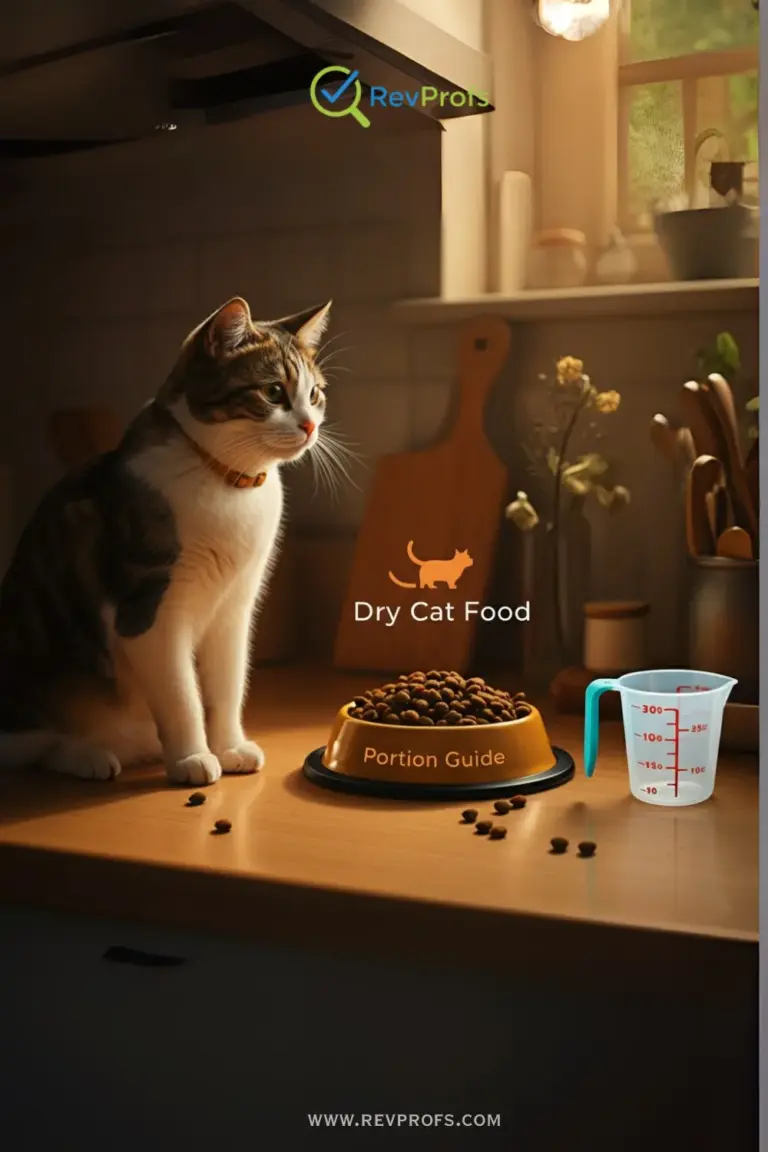
- Dry Food (Kibble): Is convenient and can be left out for free-feeding, but it is low in moisture. A combination of both wet and dry food can offer a good balance.
Feeding Tip: Instead of leaving a large bowl of food out all day, consider portion-controlled meals two or three times a day. This helps you monitor their intake and manage their weight effectively. For more details on feline nutrition, the Cornell Feline Health Center offers expert guidance.
Enrichment: How to Keep Indoor Cats Happy
This is perhaps the most crucial aspect of dedicated indoor cat care. Environmental enrichment for cats is the practice of making their indoor world more interesting and engaging to satisfy their natural instincts. A bored cat is an unhappy cat.
Here’s how to keep indoor cats happy with simple enrichment strategies:
1. Create Vertical Space
Cats love to climb and observe their territory from a high vantage point. This makes them feel safe and in control.
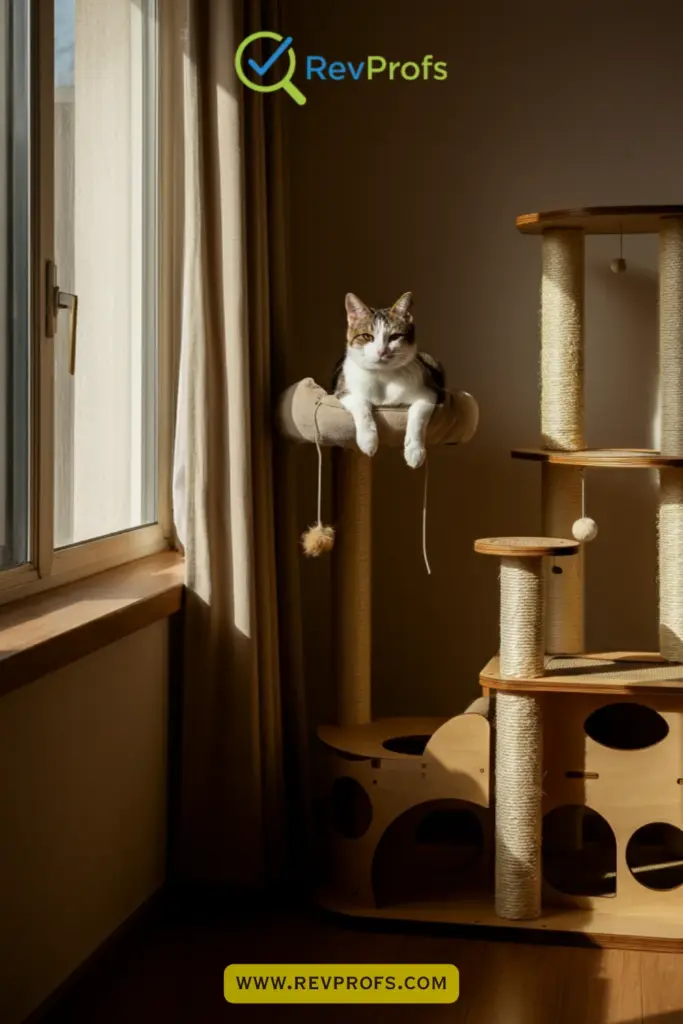
- Cat Trees and Condos: A multi-level cat tree is a fantastic investment. Place it near a window so your cat can watch birds and squirrels.
- Wall Shelves: Installing sturdy shelves can create a “cat highway” around a room, maximizing their use of vertical space.
2. Encourage “Hunting” Behavior
In the wild, cats spend a significant portion of their day hunting. You can simulate this experience.
- Puzzle Feeders: These toys require your cat to solve a simple puzzle to get their food. This engages their brain and makes mealtime more rewarding.
- Interactive Play: Use wand toys with feathers or ribbons to mimic the movement of prey. Engage your cat in 10-15 minute play sessions at least twice a day.
3. Provide Safe Outdoor Access (Optional)
If you want to give your cat a taste of the outdoors without the risks, consider these options:
- Catios: An enclosed outdoor patio allows your cat to experience fresh air and new smells safely.
- Harness Training: With patience, you can train your cat to walk on a leash in a secure area like your backyard.
You can discover more enrichment ideas in our article on Top Interactive Toys for Cats.
Proactive Wellness: Indoor Cat Health Care
Just because your cat lives indoors doesn’t mean they can skip the vet. Regular check-ups are essential for catching problems early. Proper indoor cat health care involves a proactive partnership with your veterinarian.
Key Health Considerations:
- Vaccinations: Indoor cats still need core vaccines. You could unknowingly bring pathogens into your home on your shoes or clothing. Your vet will recommend the appropriate vaccination schedule.
- Parasite Control: Fleas, ticks, and other parasites can still find their way inside. Discuss a suitable preventative plan with your vet.
- Dental Health: Dental disease is common in cats. Regular brushing at home and professional cleanings can prevent painful issues down the line.
- Weight Management: Ask your vet to assess your cat’s body condition at every check-up. They can provide specific dietary recommendations if your cat is overweight.
Mastering the Basics: Indoor Cat Litter Box Tips
Litter box problems are a common reason for cats being surrendered to shelters, but they are often preventable. Following some simple indoor cat litter box tips can ensure harmony in your home.
The Rules of the Litter Box:
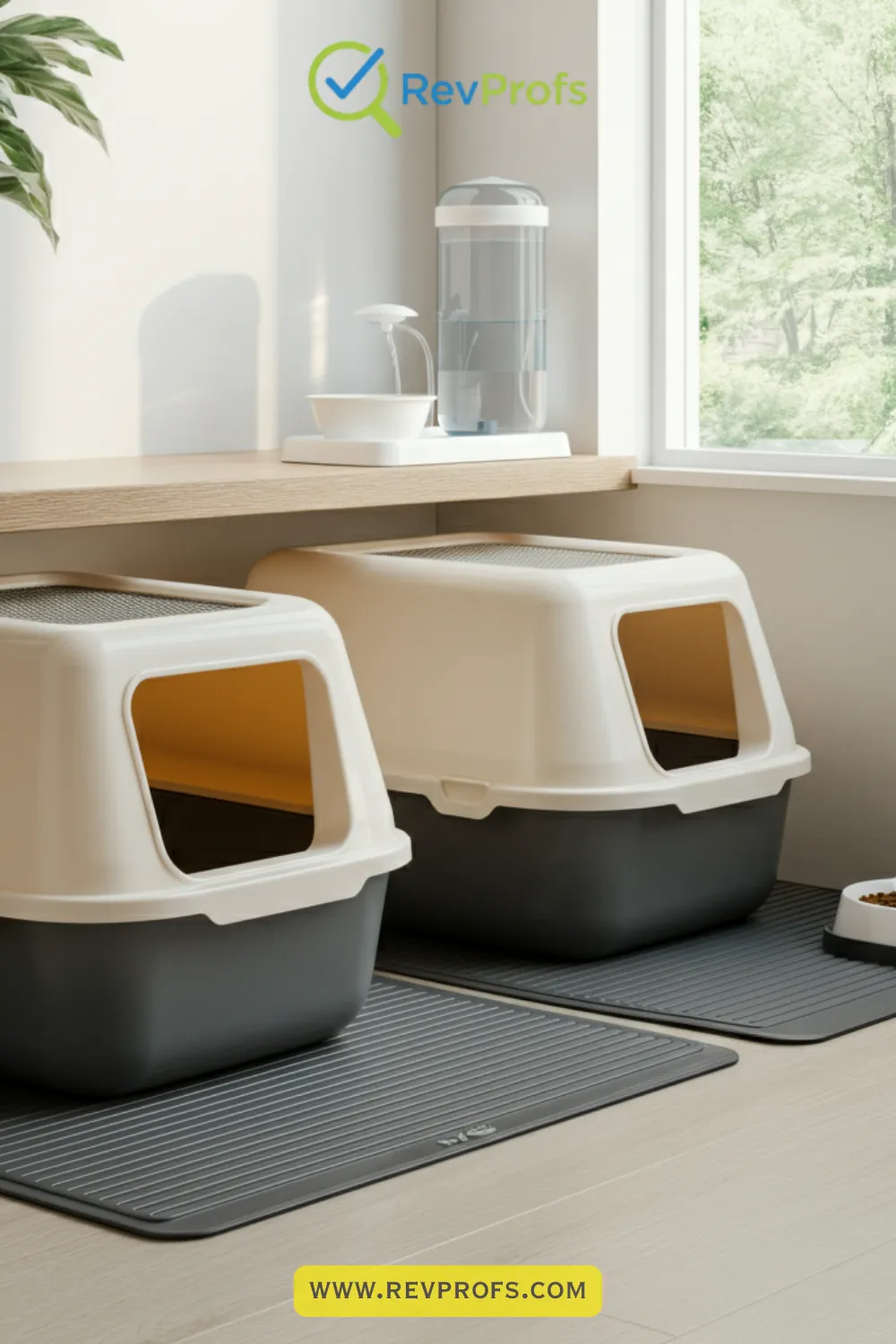
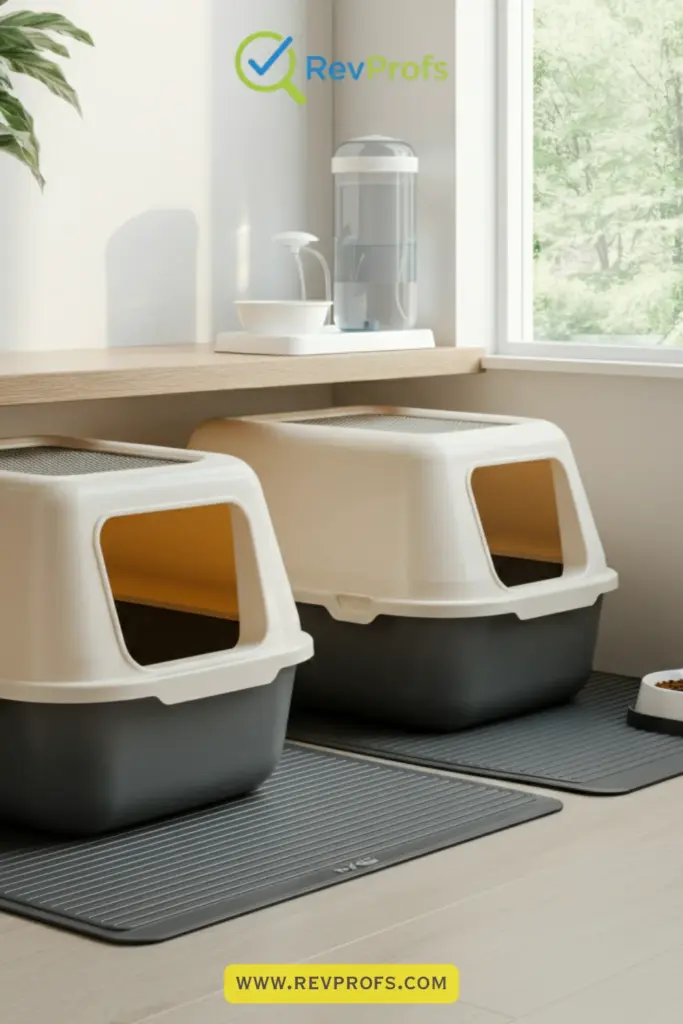
- The “Plus One” Rule: The ideal number of litter boxes is one per cat, plus one extra. So, for one cat, you should have two boxes.
- Size Matters: The box should be at least 1.5 times the length of your cat. Many commercial boxes are too small. A simple under-bed storage container can make an excellent, spacious litter box.
- Location, Location, Location: Place boxes in quiet, low-traffic areas where your cat feels safe. Avoid putting them next to loud appliances or right next to their food and water.
- Keep it Clean: Scoop the box at least once daily and completely change the litter and wash the box with mild soap every 2-4 weeks.
- Go Unscented: Cats have a very sensitive sense of smell. Heavily perfumed litters can be off-putting to them.
Following these tips can solve and prevent the vast majority of litter box avoidance issues.
Creating a Safe Environment: Safe Indoor Plants for Cats
Many cat owners love having houseplants, but it’s vital to know that many common varieties are toxic to cats. Part of responsible indoor cat care is ensuring your home is free of these hazards.
A few popular safe indoor plants for cats include:
- Spider Plant
- Boston Fern
- Areca Palm
- Catnip
- Money Tree
- Calathea (Prayer Plant)
Conversely, plants like lilies, tulips, sago palms, and aloe vera are highly toxic and should be kept out of any home with cats. If you are unsure about a plant, the ASPCA has a comprehensive database you can check for safety.
To satisfy your cat’s desire to chew on greenery, consider growing a small pot of cat grass (usually oat, rye, or wheat grass).
Conclusion: A Thriving Life Indoors
Providing excellent indoor cat care is a rewarding commitment. By focusing on a stimulating environment, proper nutrition, and proactive health management, you can give your cat a life that is not only safe but also full of joy and activity.
Remember that every cat is an individual. Observe your pet, learn their preferences, and adjust your approach accordingly. Whether you are building a “catio,” introducing a puzzle feeder, or simply providing a warm lap, the effort you put into their care will be returned tenfold in purrs, headbutts, and loyal companionship.
For more helpful pet tips, explore our guide on How to Introduce a New Pet to Your Home.
Ready for the Next Step?
Your pet's journey doesn't end here. Explore our expert guides to ensure they get the best care at every stage.
Puppy & Dog Care
From choosing the right food to understanding their behavior, our dog care guides cover everything you need to know.
Explore Dog GuidesGear & Product Reviews
Find honest, in-depth reviews on the latest pet gear, from smart collars to durable toys, and make informed decisions.
See All Reviews