
Raw Dog Food Benefits: 10 Things to Know Before You Switch
As pet owners, we are always looking for ways to give our dogs the best possible care. This has led many to question conventional kibble and explore alternative diets. One of the most discussed topics in canine nutrition today is raw feeding. Proponents often share glowing stories of improved health and vitality, making the potential raw dog food benefits seem incredibly compelling. But is it the right choice for your furry family member?
The idea behind raw feeding is to provide a diet that more closely mimics what a dog’s ancestors ate in the wild. This concept, often called a “biologically appropriate” diet, has gained a passionate following. However, it also comes with its share of controversy and responsibility. This guide will provide a clear, balanced look at the raw diet for dogs, covering the pros, cons, safety concerns, and practical steps for getting started, so you can make a confident and informed decision.
What Is a Raw Dog Food Diet?
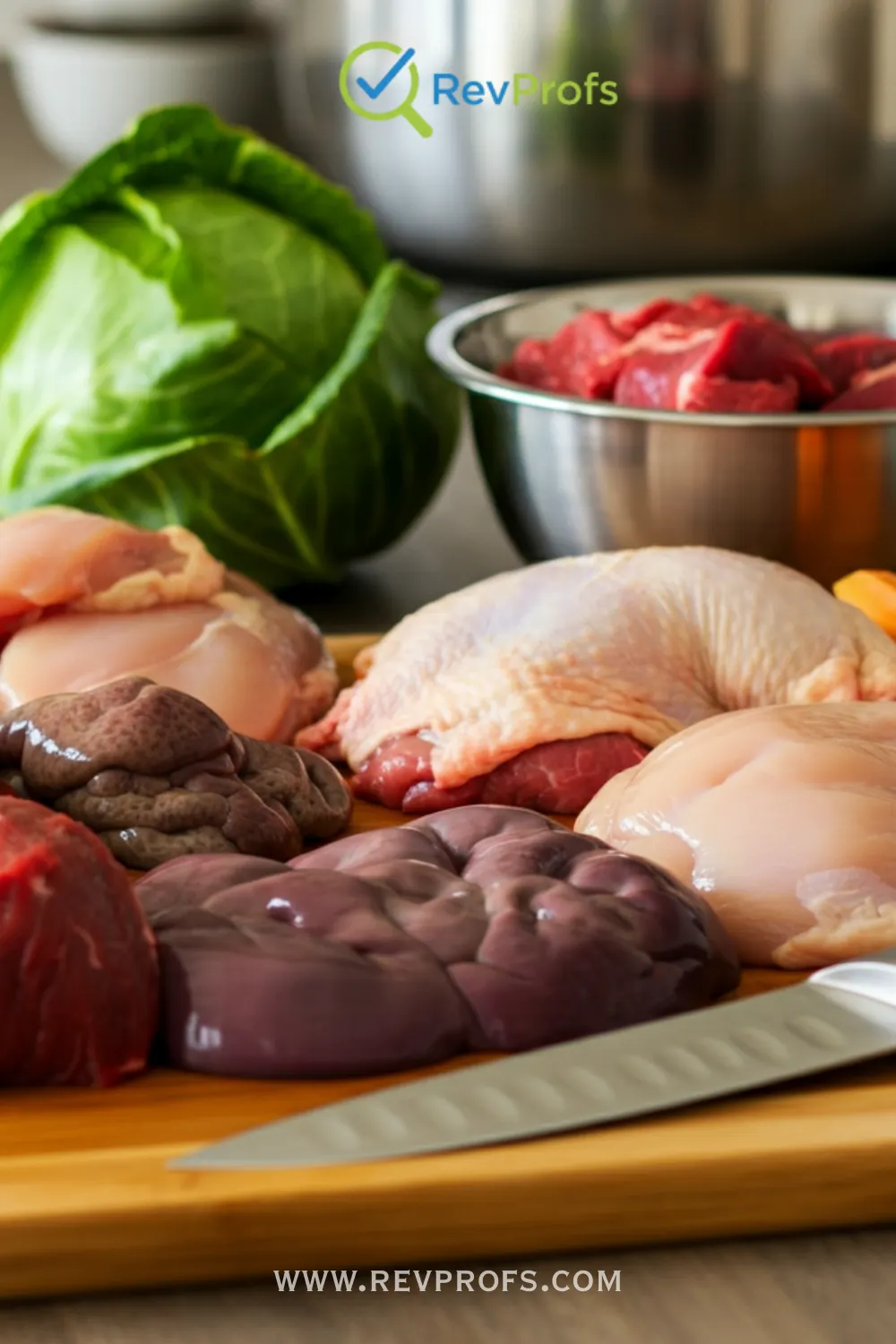
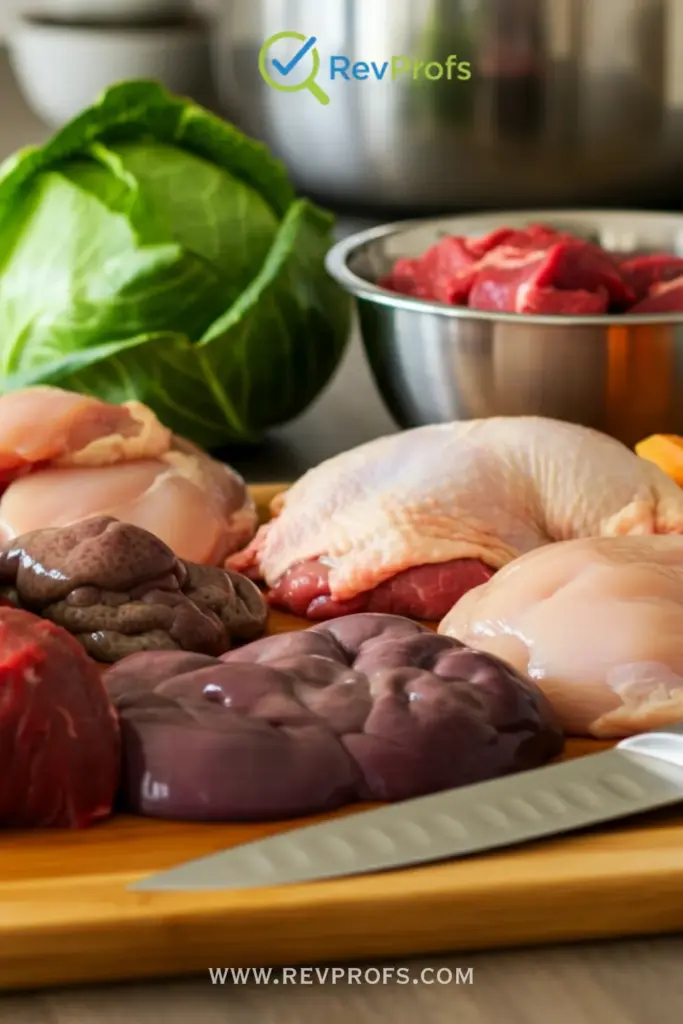
A raw dog food diet, sometimes referred to as BARF (Biologically Appropriate Raw Food or Bones and Raw Food), is a diet centered around uncooked ingredients. While recipes vary, the core components generally include:
- Muscle Meat: From sources like chicken, beef, turkey, or lamb.
- Raw Meaty Bones: Edible bones that provide calcium, phosphorus, and dental benefits.
- Organ Meats: Nutrient-dense organs like liver, kidneys, and heart.
- Fruits and Vegetables: For fiber, vitamins, and antioxidants.
- Supplements: Such as fish oil for omega-3 fatty acids or kelp for minerals.
The goal is to provide a complete and balanced meal using whole, unprocessed foods, eliminating the fillers, artificial preservatives, and high-heat processing found in many commercial kibbles.
Raw Dog Food Benefits: The Potential Upsides
Advocates of raw feeding often report a wide range of improvements in their dogs’ health. While many of these claims are anecdotal, they are a significant reason why so many pet owners are drawn to this diet. Here are some of the most commonly cited benefits.
- Improved Coat and Skin Health: The high levels of natural fats and quality proteins in raw diets can lead to a shinier, softer coat and reduced skin irritation.
- Cleaner Teeth and Better Breath: Chewing on raw meaty bones helps scrape away plaque and tartar, acting as a natural toothbrush. This can lead to healthier gums and fresher breath.
- Increased Energy and Vitality: Many owners report that their dogs have more stable energy levels, which may be due to the absence of high-glycemic carbohydrates like corn and wheat.
- Better Weight Management: Raw diets are typically rich in protein and low in carbohydrates, which can help dogs build lean muscle and maintain a healthy weight.
- Smaller, Firmer Stools: With fewer indigestible fillers, dogs on a raw diet tend to absorb more nutrients from their food. This results in less waste, producing smaller, less odorous stools.
- Reduced Allergy Symptoms: Some food allergies in dogs are triggered by common ingredients in kibble like corn, wheat, soy, or specific proteins. A limited-ingredient raw diet can help identify and eliminate allergens.
Raw Diet for Dogs Pros and Cons: A Balanced View
No diet is perfect for every dog. To make an informed choice, it’s essential to weigh the potential advantages against the real risks and challenges. Understanding the full picture of the raw diet for dogs pros and cons is the most responsible first step.
The Pros
- Whole Food Ingredients: You have complete control over what goes into your dog’s bowl, eliminating preservatives, artificial colors, and fillers.
- High Palatability: Most dogs find raw meat highly appetizing, making it a great option for picky eaters.
- Potential Health Improvements: As mentioned above, many owners report significant positive changes in their dog’s health.
The Cons
- Risk of Bacterial Contamination: Raw meat can carry harmful bacteria like Salmonella, E. coli, and Listeria. This poses a risk not only to the dog but also to the humans in the household through cross-contamination.
- Nutritional Imbalance: Creating a balanced raw diet is complex. An improper ratio of meat, bone, and organs can lead to serious nutritional deficiencies or excesses, such as a dangerous calcium-phosphorus imbalance.
- Choking and Dental Fracture Risks: Raw bones can be a choking hazard or cause broken teeth, especially if the wrong type or size of bone is given.
- Cost and Convenience: Raw diets are almost always more expensive than kibble. They also require significant freezer space, preparation time, and careful handling.
Is a Raw Diet Safe for My Dog?
Safety is the primary concern for most veterinarians and pet owners considering a raw diet. The two biggest risks are bacteria and nutritional imbalance.
- Bacterial Risk: Dogs have more robust digestive systems than humans and can often handle a higher bacterial load. However, they are not immune. Puppies, senior dogs, or those with compromised immune systems are at a higher risk of getting sick. The greater concern is often for the humans in the home. Strict food safety protocols—washing hands, sanitizing surfaces, and cleaning bowls immediately—are non-negotiable.
- Nutritional Risk: This is arguably the more significant long-term danger. A diet of just raw ground beef, for example, is severely deficient in calcium and other essential nutrients. A balanced raw diet must follow specific ratios to be complete. This is why many beginners start with commercially prepared raw food, which is formulated by nutritionists to be balanced.
How to Switch to Raw Dog Food Safely
If you decide to move forward, knowing how to switch to raw dog food correctly is crucial to avoid digestive upset. There are two common methods.
- The Fast Switch (Recommended by Many Raw Feeders): This involves feeding your dog their last kibble meal one evening and starting with their first raw meal the next morning. The theory is that kibble and raw food digest at different rates, and mixing them can cause digestive issues. This method is often best for young, healthy dogs.
- The Slow Transition: This method is similar to switching kibble brands. You start by adding a small amount of raw food to your dog’s current food, gradually increasing the raw portion and decreasing the old food over 7-10 days. This is often better for dogs with sensitive stomachs or older dogs.
During the transition, it’s normal to see some changes in stool consistency. However, if your dog experiences persistent diarrhea or vomiting, stop and consult your vet.
Commercial vs. Homemade Raw Diets
You can provide a raw diet in two ways: by purchasing pre-made commercial raw food or by preparing it yourself at home.
- Commercial Raw Food: This is the easiest and safest way to start. Brands like Stella & Chewy’s, Primal, or Instinct offer frozen patties, medallions, or freeze-dried nuggets that are nutritionally complete and balanced. They have already done the work of sourcing ingredients and calculating ratios. Many also use high-pressure processing (HPP) to reduce bacterial loads.
- Homemade Raw Food (DIY): This approach offers the most control and can be more cost-effective. However, it requires extensive research and commitment. You are responsible for sourcing high-quality ingredients and ensuring the diet is balanced over time. This is not something to be undertaken lightly.
Simple Raw Feeding Recipes for Dogs
For those interested in exploring DIY options, it’s best to start with established models. Many raw feeding recipes for dogs are based on one of two models: BARF (Biologically Appropriate Raw Food) or the Prey Model.
A basic BARF model recipe generally follows these ratios:
- 70% Muscle Meat
- 10% Raw Edible Bone
- 5% Liver
- 5% Other Secreting Organs (e.g., kidney, spleen)
- 10% Vegetables and Fruits
Example Beginner’s Chicken Dinner (for a 40lb dog, approx. 1lb of food/day):
- Muscle Meat (11.2 oz): Boneless, skinless chicken thighs or breast.
- Raw Meaty Bone (1.6 oz): Chicken neck or wing tip. Never use cooked bones.
- Liver (0.8 oz): Chicken liver.
- Other Organ (0.8 oz): Chicken gizzards or other organ meat.
- Veggie Puree (1.6 oz): Pureed carrots, spinach, and a few blueberries.
Important: This is a simplified example. A true homemade diet requires rotating proteins and organs to ensure a complete nutritional profile. It is highly recommended to consult with a veterinary nutritionist before starting a DIY raw diet.
Key Nutrients in a Raw Diet
A balanced raw diet delivers nutrients in their most natural state.
- Calcium and Phosphorus: Sourced from raw meaty bones, essential for skeletal health.
- Protein and Amino Acids: Abundant in muscle meat, critical for tissue repair and muscle maintenance.
- Vitamins A, D, and B: Concentrated in organ meats, especially liver.
- Omega Fatty Acids: Found in fish or added via fish oil, crucial for brain health and reducing inflammation.
Who Is a Good Candidate for a Raw Diet?
A raw diet might be a good fit for:
- Active, healthy adult dogs.
- Dogs with certain food allergies or sensitivities that don’t resolve on other diets.
- Picky eaters who are uninterested in kibble.
It is generally not recommended for:
- Puppies, due to their critical need for precise calcium-to-phosphorus ratios for proper growth.
- Dogs with compromised immune systems (e.g., those on chemotherapy).
- Households with young children or immunocompromised individuals, due to the risk of bacterial cross-contamination.
When to Consult a Veterinarian
Before starting any new diet, especially one as significant as raw, it is vital to speak with your veterinarian. They can assess your dog’s overall health and help you determine if a raw diet is appropriate.
Be aware that not all vets are supportive of raw feeding due to the documented risks. If you are committed to the idea, it may be helpful to seek out a holistic vet or a board-certified veterinary nutritionist who has experience with formulating raw diets. They can provide guidance to ensure you are meeting all of your dog’s nutritional needs safely.
Final Thoughts
The decision to feed a raw diet is a personal one that requires careful consideration of both the potential benefits and the risks. For many, the reported improvements in coat, energy, and overall health make the extra effort and cost worthwhile. For others, the risks of bacteria and nutritional imbalance are too great.
If you choose to explore raw feeding, start with a high-quality commercial product, practice impeccable food hygiene, and maintain an open dialogue with your veterinarian. By taking a responsible and educated approach, you can ensure that you are making the best possible choice for your dog’s long-term health and happiness.
Frequently Asked Questions
- Q: Can I just feed my dog raw ground beef from the store?
A: No. A diet of only muscle meat is severely imbalanced and will lead to serious health problems over time. A raw diet must include bone and organ content to be complete. - Q: Are freeze-dried raw foods as good as frozen raw?
A: Freeze-dried raw food offers the same nutritional benefits as frozen raw but in a more convenient, shelf-stable form. It’s an excellent option for travel or for owners who want the benefits of raw without the mess. Just be sure to rehydrate it as directed. - Q: What kind of bones are safe for dogs?
A: Only raw, edible bones are safe. These are the soft, pliable bones found in chicken necks, chicken feet, or turkey necks. Never feed cooked bones, as they become brittle and can splinter, causing internal injury. Always supervise your dog with any bone. - Q: Will a raw diet make my dog aggressive?
A: This is a common myth. A raw food diet will not change your dog’s temperament or make them aggressive. Some dogs may show resource guarding with high-value food, but this is a training issue, not a dietary one.
Ready for the Next Step?
Your pet's journey doesn't end here. Explore our expert guides to ensure they get the best care at every stage.
Puppy & Dog Care
From choosing the right food to understanding their behavior, our dog care guides cover everything you need to know.
Explore Dog GuidesGear & Product Reviews
Find honest, in-depth reviews on the latest pet gear, from smart collars to durable toys, and make informed decisions.
See All Reviews