Hypoallergenic Dog Shampoos A Complete Guide to Soothing Sensitive Skin
There are few things more heartbreaking for a pet owner than watching their dog scratch incessantly. The thumping of a leg against the floor in the middle of the night or the sight of red, irritated skin can leave you feeling helpless. While allergies can stem from food or environmental factors, the products we use on our pets’ coats play a massive role in their comfort. This is where hypoallergenic dog shampoos become an essential part of your care routine.
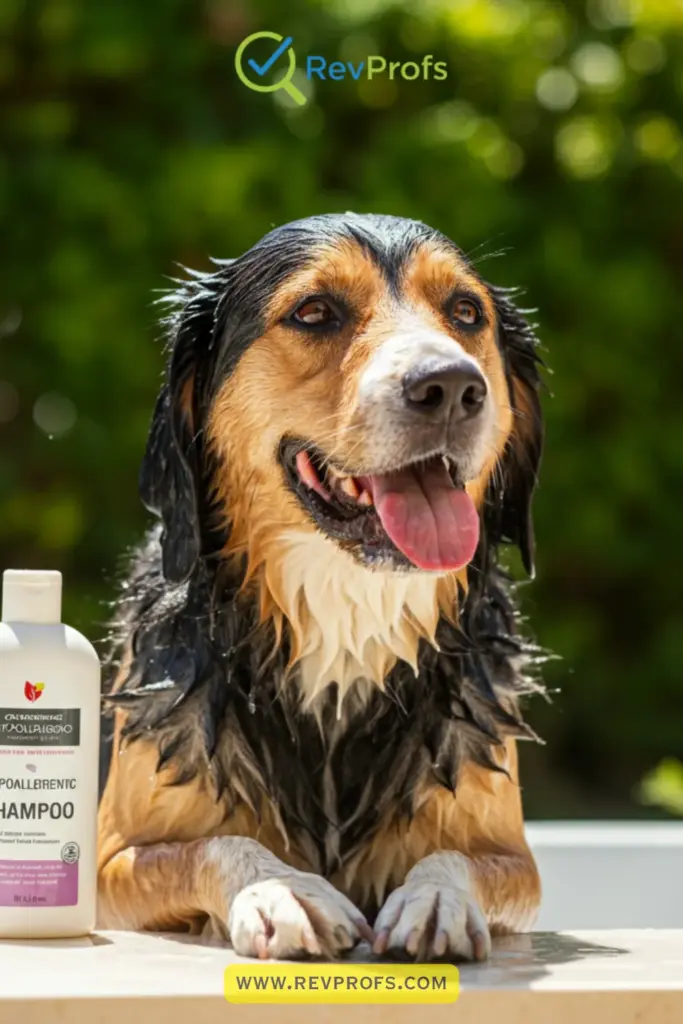
Many commercial grooming products contain harsh chemicals that strip away natural oils, leaving the skin vulnerable and dry. For a dog with a resilient coat, this might not be an issue. But for our sensitive companions, a simple bath can turn into a week of itching.
In this guide, we will break down everything you need to know about finding relief for your furry friend. We will explore what ingredients actually help, which ones to avoid at all costs, and how to navigate the confusing world of pet product labels. By the end, you will have the knowledge to choose the right product to keep your dog clean, comfortable, and happy.
Understanding Your Dog’s Sensitive Skin
Before you switch products, it is helpful to understand why your dog might be reacting in the first place. Canine skin is significantly different from human skin. While human skin has a pH balance of around 5.5 (more acidic), a dog’s skin is much more neutral, ranging from 6.2 to 7.4. This means that using human shampoo—even the “gentle” baby versions—can disrupt their acid mantle, which is the skin’s protective barrier against bacteria and parasites.
Signs of Sensitivity
How do you know if your dog needs a gentler touch? Look for these common symptoms:
- Excessive Scratching: If they are digging at their ears or flanks constantly.
- Redness or Hot Spots: Inflamed patches of skin that feel warm to the touch.
- Dandruff: White flakes on their bedding or visible in their fur.
- Paw Licking: Constant grooming of the paws can indicate contact dermatitis from walking on treated grass or irritation from grooming products.
Recognizing these signs early prevents minor irritation from turning into a full-blown infection. If you spot these issues, switching to a dog shampoo for sensitive skin is often the first line of defense.
What Does “Hypoallergenic” Really Mean?
The term “hypoallergenic” appears on countless bottles, but it can be misleading if you don’t know what to look for. Technically, it means the product is less likely to cause an allergic reaction. However, because the pet grooming industry is not as strictly regulated as human pharmaceuticals, definitions can vary between brands.
Generally, legitimate hypoallergenic dog shampoos are formulated without the common irritants found in standard grooming products. They prioritize mild cleansing agents that remove dirt without stripping away the lipid barrier.
Transparency is Key
When choosing a product, transparency builds trust. Manufacturers who list every single ingredient on the bottle—rather than vague terms like “cleaning agents”—are usually the safer bet. You want to ensure that the formula relies on soothing, non-toxic components rather than harsh detergents that create a lot of artificial foam.
Ingredients to Look For and Avoid
Reading an ingredient label can feel like deciphering a secret code. To simplify your search for the best hypoallergenic shampoos for dogs, we have categorized ingredients into “Green Light” (beneficial) and “Red Light” (harmful).
Green Light: Soothing Ingredients
These natural components help rebuild the skin barrier and calm inflammation.
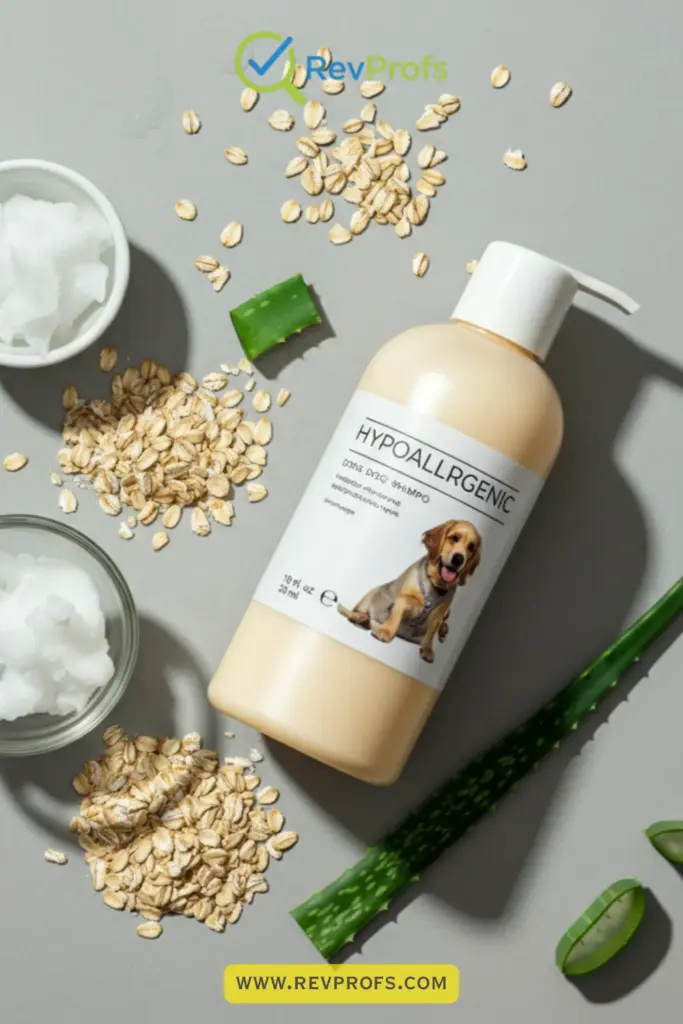
- Colloidal Oatmeal: This is a gold standard for itchy skin. It has anti-inflammatory properties that soothe redness and bind moisture to the skin.
- Aloe Vera: Known for its cooling effect, aloe hydrates the skin and accelerates healing for minor abrasions.
- Coconut Oil: A natural moisturizer that also has mild antibacterial properties.
- Shea Butter: Excellent for deep conditioning, especially for dogs with dry, brittle coats.
- Vitamin E: An antioxidant that supports healthy skin cell growth.
Red Light: Irritants to Avoid
These are often used to make shampoos smell stronger or foam better, but they are notorious for causing reactions.
- Artificial Fragrances (Parfum): “Fragrance” can hide hundreds of undisclosed chemicals. Even if you love the smell of “tropical breeze,” your dog’s skin likely hates it.
- Sulfates (SLS/SLES): These create the rich lather we associate with cleanliness, but they are harsh degreasers that can dry out the skin severely.
- Parabens: Used as preservatives, these can disrupt hormonal balance and irritate sensitive skin.
- Alcohol: Often found in sprays or quick-dry shampoos, alcohol is extremely drying.
How to Choose the Best Hypoallergenic Shampoos for Dogs
With so many options on the shelf, making a decision can be overwhelming. Here is a structured approach to finding the right match for your pet.
1. Identify the Specific Issue
Is your dog just dry and itchy, or do they have a yeast infection?
- For Dryness: Look for moisturizing ingredients like oatmeal and silk proteins.
- For Allergies: Stick to limited-ingredient diets for the skin—formulas with as few components as possible.
- For Infections: You may need a medicated shampoo recommended by a vet, rather than a standard hypoallergenic one.
2. Check the pH Balance
Always confirm the bottle explicitly states it is pH-balanced for dogs. This ensures the product won’t strip the acid mantle we discussed earlier.
3. The “Fragrance-Free” Factor
While essential oils can be natural, they can also be potent allergens for some dogs. If your dog is hyper-sensitive, skip the lavender-scented options and go for a truly fragrance-free formula. It might not smell like a spa day, but a neutral-smelling, itch-free dog is much better than a perfumed, miserable one.
4. Consult Reviews and Vets
Look for feedback from owners with the same breed or skin condition as your dog. Additionally, your veterinarian can often steer you toward reputable brands that undergo rigorous testing.
For more insights on maintaining your pet’s coat, check out our guide on Essential Grooming Tools for Shedding
Step-by-Step: Bathing a Dog with Sensitive Skin
Using the right shampoo is only half the battle. The way you bathe your dog also impacts their skin health. Scrubbing too hard or using water that is too hot can undo the benefits of even the best hypoallergenic dog shampoos.
Preparation
Brush your dog thoroughly before the bath to remove loose fur and mats. Water tightens mats, making them harder to remove and trapping shampoo against the skin, which causes irritation.
The Process
- Temperature Check: Use lukewarm water. Hot water increases blood flow to the skin, which can intensify itching and inflammation.
- Saturate the Coat: Ensure your dog is wet down to the skin.
- Dilute the Shampoo: Many professional groomers recommend mixing the shampoo with water in a separate bottle before applying. This makes it easier to spread and rinse out.
- Gentle Massage: Use your fingers to massage the shampoo in the direction of hair growth. Avoid vigorous scrubbing or using stiff brushes on sensitive areas.
- The Contact Time: Some therapeutic shampoos need to sit on the skin for 5-10 minutes to work. Read the instructions carefully.
- Rinse, Rinse, Rinse: This is the most critical step. Leftover residue is a leading cause of “bath itch.” Rinse until the water runs completely clear, then rinse one more time.
Drying
Avoid rubbing your dog vigorously with a towel. Instead, pat them dry or use a highly absorbent microfiber towel to squeeze the water out. If you use a blow dryer, keep it on the lowest heat setting—or the “cool” setting—to prevent drying out their skin.
Natural Dog Shampoo Brands vs. Medicated Options
When shopping, you will likely encounter two main categories: natural brands and medicated formulas. Understanding the difference helps you choose the right level of care.
Natural Dog Shampoo Brands
These products focus on holistic ingredients and eco-friendly formulations. They are excellent for maintenance and mild sensitivity. Brands in this category often highlight their organic sourcing and lack of synthetic dyes. They are the “daily driver” for dogs who just need a gentle clean.
- Pros: gentle, safe for frequent use, environmentally friendly.
- Cons: May not resolve severe medical skin conditions (like mange or severe bacterial infections).
Medicated Options
These contain active pharmaceutical ingredients like chlorhexidine, ketoconazole, or hydrocortisone. They are designed to treat specific ailments.
- Pros: Effective against fungus, bacteria, and severe inflammation.
- Cons: Can be harsher on the coat; usually intended for short-term use until the condition clears up.
If you are unsure, start with a natural option. If symptoms persist, a vet may prescribe a medicated alternative.
Common Myths About Dog Skin Care
In our quest to help our pets, we often fall for myths that sound logical but are actually harmful. Let’s bust a few common misconceptions regarding dog shampoo for sensitive skin.
Myth 1: “Baby Shampoo is Safe for Dogs”
As mentioned, human pH and dog pH are different. While baby shampoo is gentle for human infants, frequent use on a dog can disrupt their skin barrier, making them more susceptible to bacteria.
Myth 2: “More Foam Means Cleaner”
We are conditioned to associate lather with cleaning power. However, the agents that create thick foam (sulfates) are often the most drying. Low-lather shampoos clean just as effectively but are much kinder to the skin.
Myth 3: “You Shouldn’t Bathe a Dog Often”
While over-bathing with harsh products is bad, bathing a dog with allergies regularly (using the right hypoallergenic product) can actually help. It washes away environmental allergens like pollen and dust that get trapped in the fur and irritate the skin.
When to Visit the Veterinarian
While switching to hypoallergenic dog shampoos can solve many issues, it is not a cure-all. Sometimes, skin problems are a symptom of a deeper issue that requires medical intervention.
You should schedule a vet visit if:
- The itching is interfering with your dog’s sleep or eating.
- You see open sores, bleeding, or pus.
- There is a foul odor coming from the skin or ears.
- You notice hair loss in patches.
- Changing shampoos and diet has made no difference after a few weeks.
Your vet may recommend allergy testing, skin scrapings, or dietary changes to get to the root of the problem. For more on medical skin conditions, the American Kennel Club (AKC) offers a comprehensive resource.
Conclusion
Navigating the world of pet care can be tricky, but making the switch to hypoallergenic dog shampoos is one of the simplest and most effective ways to improve your pet’s quality of life. By eliminating harsh chemicals and embracing soothing, natural ingredients, you provide relief that your dog will feel instantly.
Remember, every dog is unique. It may take a little trial and error to find the perfect bottle for your specific pup, but the result—a happy, itch-free dog—is well worth the effort. Focus on transparency, check those ingredient labels, and prioritize moisture retention.
Your dog relies on you to make the best choices for their health. Armed with this information, you can now walk down the grooming aisle with confidence, knowing exactly what your best friend needs to feel comfortable in their own skin.
If you are looking for more ways to keep your home pet-friendly and clean, don’t miss our article on Safe Cleaning Products for Pet Owners
Ready for the Next Step?
Your pet's journey doesn't end here. Explore our expert guides to ensure they get the best care at every stage.
Puppy & Dog Care
From choosing the right food to understanding their behavior, our dog care guides cover everything you need to know.
Explore Dog GuidesGear & Product Reviews
Find honest, in-depth reviews on the latest pet gear, from smart collars to durable toys, and make informed decisions.
See All Reviews